

Huge crisis, hired guns and pesticides - Biodiversity plan for Mayo

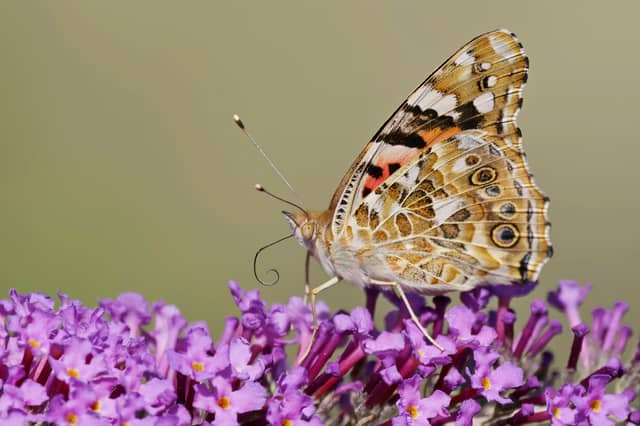

The new strategy aims to boost public awareness and education around biodiversity while improving habitat management across the county, with councillors welcoming the plan but raising concerns over the wider threats facing the natural environment.
Mayo County Council is developing a new biodiversity strategy shaped by extensive public input, as councillors and officials welcomed the plan while raising concerns over the wider threats facing the natural environment, including the continued use of pesticides.
Built around four central themes — community engagement, stakeholder engagement, research, and leadership policies — the strategy sets out a suite of 55 actions, several of which were revised in response to feedback from the public consultation. Its stated aims are to boost public awareness and education around biodiversity while improving habitat management across the county.
Sheila Murphy, Biodiversity Officer with Mayo County Council, said the local authority is already progressing work in this area, including the development of a draft invasive species strategy that is currently underway.
She said the council is also looking at reducing its own pesticide use, including training staff on best practice and integrating more sustainable approaches — such as nature-based solutions — into the council's development work and wider projects.
Pesticides
Several councillors used the discussion to highlight the scale of the challenge facing biodiversity nationally and internationally.
Cllr Gerry Murray described a "huge crisis" facing biodiversity, and said he hoped greater public awareness could help reverse the decline. He pointed to recent controversy over pesticide use, citing pressure from both farming organisations and pesticide companies keen to keep certain products on the market despite health concerns.
Murray referenced a case in which the EU was pushed to remove two pesticides from the market after evidence showed they were disorienting bees, preventing them from finding their way back to their hives — a serious concern given bees' role in pollination. He said that even with compelling evidence, lobbyists or ‘hired guns’ in Brussels worked intensively to delay the decision.
He also pointed to the outbreak of pine bark beetles in California as an example of the knock-on effects of pesticide use, arguing that killing off the insects which had previously kept the beetle population in check contributed to widespread forest damage — with significant financial consequences for those who had invested in forestry.
Legacy
Cllr Peter Flynn praised the process behind the strategy, acknowledging that consultations of this kind "can be quite boring" but commending how well this one was facilitated. He thanked the team involved, noting that while a strong framework is now in place, "the hard work is yet to come" in implementing its recommendations.
Cllr Harry Barrett described the plan as central to "safeguarding our legacy," and said reducing pesticide use is an issue he feels strongly about, calling on the council to minimise its own use as much as possible.
Cllr Sean Carey highlighted the growing involvement of the farming community in biodiversity efforts, pointing to strong uptake of environmental farming schemes in County Mayo, including in his own local area of Belmullet, as evidence of the importance placed on the issue locally.
Funded by the Local Democracy Reporting Scheme