

Mayo pesticide users urged to protect drinking water as spraying season nears end
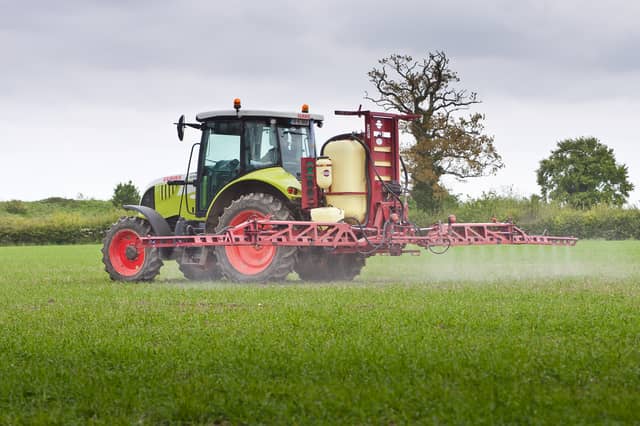

National Pesticides and Drinking Water Action Group warns that autumn conditions can increase the risk of pesticides entering water sources
Pesticide users across Mayo are being urged to remain vigilant as the main spraying window approaches its end as even a small amount of pesticide can have an impact on drinking water supplies.
The National Pesticides and Drinking Water Action Group (NPDWAG) issued the reminder today, (Tuesday, September 1), stressing that while opportunities for pesticide spraying decline towards the end of the year, the risk to drinking water sources remains.
Ireland has made significant progress in reducing pesticide detections in drinking water in recent years. Since the NPDWAG was established in 2017, pesticide excess have fallen by more than 50%, which the group attributes to local collaboration, awareness and more responsible pesticide use.
However, the group is warning that autumn weather can bring additional risks, with wetter conditions potentially increasing the likelihood of pesticides entering rivers, streams and other water sources.
Dr Aidan Moody of the Department of Agriculture, Food and the Marine and Chair of the NPDWAG, said farmers and land managers had done “excellent work” in reducing pesticide use and following correct application methods.
“We urge everyone to continue the great work and always consider whether a pesticide is needed at all and, where it is, to make sure that best practices are followed,” he said. “This approach not only protects our drinking water but also supports biodiversity and healthy ecosystems.”
Dr Patrick O’Sullivan of Uisce Éireann said pesticide detections can still occur outside the main spraying season, particularly during autumn.
“By following best practice and taking extra care near watercourses, pesticide users can help protect drinking water and build on the significant progress achieved in recent years,” he said.
Pesticide users are being advised to always follow product labels, maintain the required buffer zones around watercourses and check weather forecasts before spraying.
Particular attention is being drawn to products containing MCPA. Depending on the specific product, MCPA herbicides must not be used from the end of September or the end of October through to the beginning of March.
The restrictions are designed to reduce the risk of late-season applications reaching drinking water sources during wetter autumn and winter conditions.
Users are also reminded to avoid spraying where rain is forecast within the following 48 hours, prevent spills and never fill a sprayer directly from a watercourse.
Unused pesticides and containers should be disposed of safely, while sprayers should never be filled or washed beside drains or on surfaces where contaminated run-off could enter waterways.
The NPDWAG is encouraging pesticide users to consider alternative methods of pest control before using chemicals and to only apply pesticides when necessary.
Further information is available from local farm advisers and through the Department of Agriculture, Food and the Marine’s water protection resources here.