

“It is scandalous" - ESB €2.9 billion profits criticised by Mayo TD as electricity prices rise
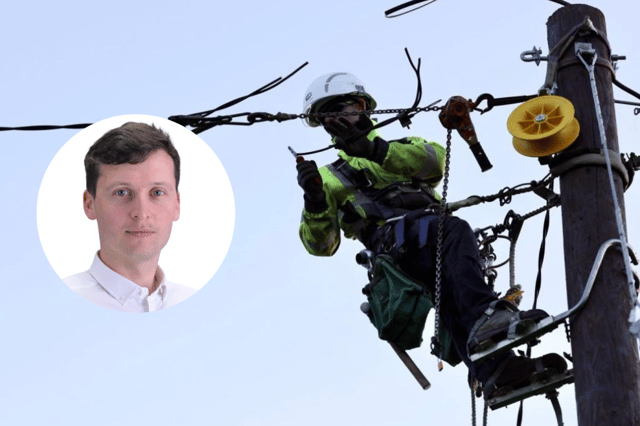

TD Paul Lawless calls for reduction in ESB profits as Electric Ireland implements 8 percent price increase
Mayo TD Paul Lawless has criticised the profits reported by the ESB, claiming the semi-state company made almost €3 billion in after-tax profits over the past four years while households continue to struggle with rising electricity costs.
Deputy Lawless said figures, released in response to a parliamentary question, show that the ESB recorded €2.9 billion in after-tax profits between 2022 and 2025.
His comments come as Electric Ireland, “the retail arm of the ESB”, is set to increase electricity prices by 8 percent from Wednesday, July 1.
Describing the situation as “scandalous”, Deputy Lawless said many families are already finding it difficult to meet rising energy bills.
“It is scandalous that a semi-state body like ESB is making such savage profits, while we have over 300,000 people in arrears on their electricity bills at the moment across the country,” he said.
The Aontú TD also claimed that data centres pay lower electricity connection charges and lower rates per unit of electricity than ordinary households, arguing that the current system is unfair.
He said Aontú has tabled a motion before the Dáil calling for ESB’s profits to be reduced to zero, with Deputy Lawless claiming this could reduce electricity bills by around €300 per household each year.
“ESB is a semi-state body – they should be making enough money to invest and cover its costs, but there is no reason why it should be making such savage profits,” Deputy Lawless said.
The Minister’s reply to the parliamentary question noted that the State owns 97.7 percent of the ESB, with the remaining 2.3 percent held by the Employee Share Ownership Plan (ESOP). It also confirmed that the majority of dividends paid by the company are returned to the State.
The Department also said ESB profits are invested in electricity networks, renewable energy projects and other infrastructure, while electricity network charges are independently regulated by the Commission for Regulation of Utilities.
The issue is expected to be debated in the Dáil.