

“New chapter for people who want to live in rural Mayo,” says Dillon
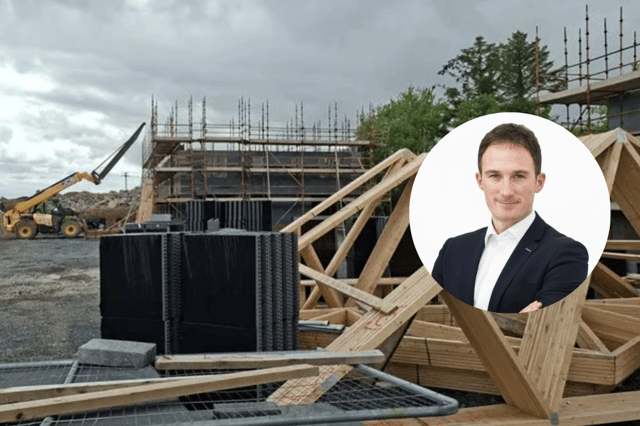

Minister Alan Dillon says rural housing planning changes will make it easier to build in rural Mayo
Minister of State Alan Dillon has welcomed sweeping changes to Ireland’s rural housing planning guidelines, describing them as a major boost for Mayo and the most significant overhaul of one-off rural housing rules in two decades.
The new measures, drafted in the National Planning Statement, are designed to make it easier for people with strong local connections, as well as those with social or economic needs, to build homes in rural areas and Gaeltacht communities.
Minister Dillon said the reforms represent “a fundamental shift” away from restrictive planning policies that have made it difficult for many people to live in the communities they call home.
“Today’s announcement marks a new chapter for people who want to live in rural Mayo,” he said. “We are restoring fairness and common sense to the planning system, giving local families, young people and returning emigrants a real opportunity to put down roots in the places they know and love.”
Under the proposed changes, people who have lived in a rural area for at least seven years at any point in their lives will be eligible to build a home within 10 kilometres of their current residence, subject to normal planning requirements.
The revised guidelines will also extend eligibility to people from villages and towns with populations of fewer than 1,500, allowing them greater flexibility to build in the rural communities they originate from, even if they currently live in a town or city.
However, special provisions will continue to apply in areas under significant development pressure, high-amenity locations and Gaeltacht regions.
In Gaeltacht areas, applicants will need to have lived within three kilometres of the proposed site for ten years, although this can be reduced to five years for Irish speakers who can demonstrate a local housing need.
The Government is also introducing new criteria for applicants who need to live in rural areas because of their employment. This includes people working in farming, forestry, the equine sector, local schools and other essential rural services, as well as those establishing or operating rural businesses.
Remote working alone will not qualify under the economic need category.
Minister Dillon said the reforms would also remove blanket restrictions previously applied by local authorities.
“Local authorities will no longer be allowed [to] place a blanket ban on infill, backland or ribbon development,” he said.
He added that, in exceptional circumstances, homeowners may also be permitted to build a second appropriately sized one-off home close to their existing residence where changing family or medical needs arise.
“We recognise that people have to change their housing needs following a medical event and we want [to] support people where appropriate with their housing need,” he said.
The Government expects the new planning guidelines to increase the number of one-off rural homes built each year. Between 4,000 and 5,000 such homes are currently constructed annually across Ireland.
Minister Dillon said the planning changes find middle ground between supporting rural communities and protecting Ireland’s landscape.
“By providing greater clarity, consistency and flexibility, while continuing to protect our unique landscapes and ensure proper planning, these landmark guidelines will help sustain vibrant rural and Gaeltacht communities for generations to come,” he said.