

Mayo islands lead fight against invasive species for National Awareness Week
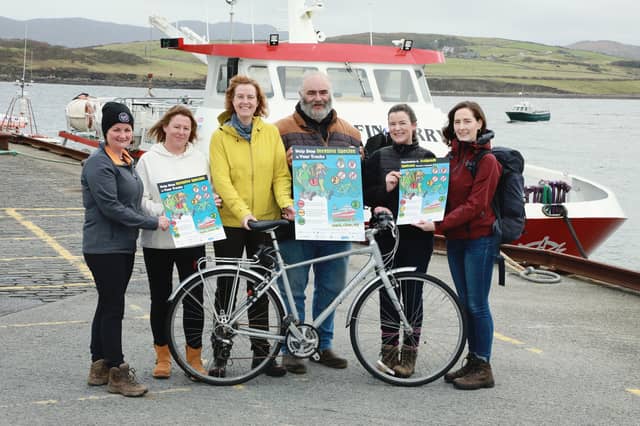

Inishturk and Clare Island are among communities helping protect fragile ecosystems through a pioneering conservation programme
Mayo’s offshore islands are at the forefront of a major effort to combat invasive plant species as communities across the country mark Invasive Species Week from June 22 to 28.
Invasive Species Week aims to raise awareness of the growing threat posed by non-native plants and animals to Ireland’s biodiversity, ecosystems and local economy.
Inishturk, Clare Island and neighbouring Inishbofin are the three west coast islands involved in the West Connacht Islands Invasive Species Eradication Programme, a collaborative initiative aimed at protecting some of the west coast’s most unique landscapes from the threat posed by invasive non-native plants.
The programme is being delivered by the Biodiversity Offices of Mayo and Galway County Councils in partnership with the ACRES West Connacht Cooperation Project and is funded through the National Parks and Wildlife Service’s Local Biodiversity Action Fund.
The project focuses on controlling invasive plant species such as montbretia and giant rhubarb, which can spread rapidly and overwhelm native vegetation if left unchecked. These species can significantly alter habitats and threaten biodiversity across sensitive island environments.
Last summer, surveys were carried out across public lands on the islands to map the extent of invasive species infestations. Local residents also participated in horticultural workshops designed to improve identification and management skills.
This year’s focus is on strengthening biosecurity measures and preventing further spread.
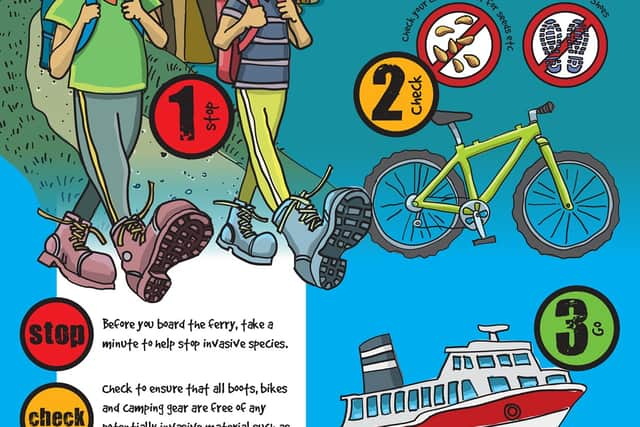
New bilingual Irish-English biosecurity posters are being installed at ferry terminals and community locations. The campaign encourages visitors and residents alike to take simple precautions, including cleaning boots, bicycles, camping equipment and machinery before travelling to the islands.
Organisers say the natural separation of the islands from the mainland provides a unique opportunity to prevent the spread of invasive species and develop effective management strategies through community-led action.
The next phase of the programme is now under way, with detailed management plans being developed for public lands on each island, with targeted treatment works expected to begin in early autumn.
The initiative builds on years of conservation work by local residents and landowners and aims to safeguard the unique landscapes and biodiversity of Mayo’s island communities for future generations.