

Mayo could unlock major benefits through stronger diaspora ties

A new report says better coordination with Mayo’s global diaspora could boost tourism, enterprise and community
According to a major new report launched by the Western Development Commission, Mayo could unlock significant new opportunities for communities, business, tourism and international connectivity by strengthening ties with its global diaspora.
The study, Connected Communities, Global Relationships, is the first comprehensive regional study of diaspora engagement in the West and Northwest of Ireland. It highlights Mayo as one of the counties with strong existing overseas links that could be further developed through greater coordination and support.
The report focuses on how communities, organisations and institutions across Mayo maintain relationships with people overseas who retain ties to the area.
Researchers found that diaspora engagement is already widespread, often led by local authorities, heritage groups, schools, sports organisations, tourism initiatives and community volunteers.
Of the 240 survey responses representing 178 organisations and groups across the region, 47 percent said they are already actively engaging with diaspora communities, while a further 35 percent said they want to do more.
The strongest motivation identified was maintaining relationships and preserving bonds of identity and belonging with people abroad.
Respondents said these connections can also strengthen tourism, local pride, skills exchange, investment, business development and long-term resilience in communities.
However, the study found many Mayo and Western organisations are attempting to sustain international links without dedicated resources, shared systems or long-term strategic support.
Limited staffing, volunteer burnout and the challenge of maintaining long-distance relationships over time were repeatedly identified as barriers to progress.
Chief Executive of the Western Development Commission Allan Mulrooney said the findings show that counties such as Mayo possess a valuable but underutilised strategic asset.
“For Mayo and the Western Region, diaspora relationships represent a significant strategic asset,” he said. “They include skills, experience, networks, advocacy, cultural capital and investment potential. Few regions have experienced migration on the scale seen here or retain such strong emotional and practical connections across generations.”
He said stronger coordination and dedicated support could unlock opportunities for communities, enterprise and future generations across the region.
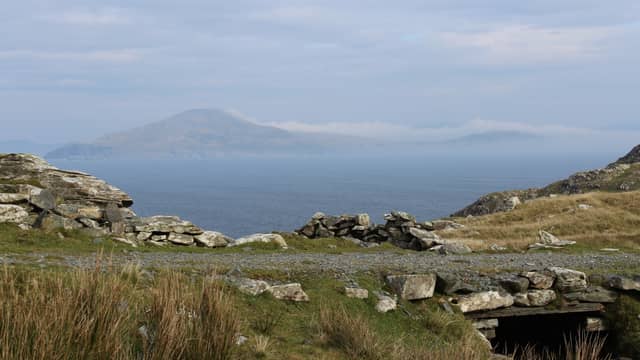
The report also highlights Mayo-based case studies, including the work of the Inishturk Community Club, where diaspora engagement is helping shape long-term planning for island life through the community-led Inishturk Vision 2050 strategy.
The club sees the island’s community as extending beyond current residents to include descendants of island families overseas and others who have developed deep ties to the island over time.
Through monthly newsletters, hybrid meetings and online engagement, the organisation has encouraged diaspora participation in heritage, planning and sustainability initiatives.
One example highlighted in the report involved a young man with family roots on Inishturk who became involved through the club’s newsletter, later joined its board, chaired its heritage group and pursued funding opportunities while contributing to documentation of island life.
Current island projects include renewable energy initiatives, invasive species removal and conservation of the native Irish black bee, all aimed at strengthening long-term sustainability and encouraging future return migration.
Development Manager Sinéad Cahalan said one of the biggest challenges remains staffing and communications capacity.
The report recommends greater regional coordination between organisations, better communications supports, improved networking and more structured ways to turn goodwill among diaspora communities into meaningful action.
The Western Development Commission will host a public webinar on June 2 at 11am to discuss the report findings and explore how communities, agencies and diaspora networks can work together to strengthen engagement across Mayo and the wider West of Ireland.