

OUTDOORS: Sowing a vegetable plot
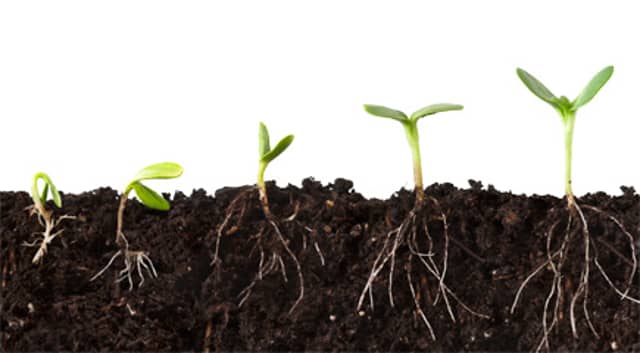

Growing your own veg is not as simple as tossing a few seeds on the ground and waiting for harvest. Following a few simple rules will make all the difference. Chris Brown discusses the ins and outs of seed planting.
The importance of seeds
Growing Your own
Chris Brown
The importance of seeds cannot be overstated. The future of us all lies in their ability to grow into living, consumable things. Take the marvellous curly Kale plant for an example: The seed is only the size of a midge’s manhood, but it will grow into a tall, handsome plant, packed with delicious leaves for us to eat. Brilliant – but how do they do it?
The coat of a seed is virtually waterproof, but once water gets in, the material inside swells. This causes the seed coat to burst open. The greater part inside the seed is stored food that will feed the wee planteen until it is capable of feeding itself.
At this point, chemical reactions take place that yield energy used for growth. These reactions won’t happen unless there is enough warmth and also the third vital ingredient, Oxygen.
So, our three conditions for germination and subsequent growth are:
> Water to make the material inside the seed swell and burst free
> Warmth to speed up things and keep it cheerful
> Oxygen to feed the growth of the seed and the subsequent plant
The depth at which a seed is planted is important too. Plants require light before they can manufacture their own food. This means in the darkness of the soil, the growth of a seedling is totally dependant on its stored food until it gets above the surface of the soil.
If a seed is planted too deeply it may germinate and grow, but if the food is finished before the sprout reaches the surface, it will just die. You will never see it.
As a rule of thumb, big seeds are planted deeper than little ones – in about twice their depth of soil.
Tiny seeds need to be just covered with soil, larger ones, such as lettuce, need to go about half an inch (1cm) deep. For fat ones, like peas and beans, 1¼ – 2 inches ( 3-5cm) is about right.
Seeds will need careful looking after, from storage to planting, if we are to get good results. They are very sensitive to moisture and should be stored in a cool, dry, dark place. In a biscuit tin with a lid with a couple of those silica gel bags is good; but even then they don’t have a very long shelf life and using up old seed can be a very false economy due to poor germination.
Sowing methods
There are really two ways to get your seeds going – either put them straight into the ground wherever you plan for them to live (in situ) or in a container to plant out later. Both tactics have merit, and I find a combination of both methods is best.
The more tender plants, like tomatoes and cucumbers (which can snuff it at temperatures below 10°c), are best if started off in a protected place somewhere in small pots. Carrots and turnips, parsnips, radish, parsley and others are able to go straight into the soil.
Once seeds have become plants, don’t be fooled into thinking the next step is to gather in and eat the harvest a few months later; you will need to protect what you are growing. Who’s going to be eating the lettuce – you or the slugs? Will weeds win?
Don’t be despondent if your first attempt at germinating seeds goes belly up, just start some more. With vegetable growing, the tactic is always to get back in the saddle, learn and go again.
Turn some soil and plant your seeds.
Next time Slugs – It’s a war.
> Chris Brown runs Brown’s Farm, a small farm in Louisburgh. He is an advocate of sustainable, natural farming methods and buying local.