

HEALTH: Nettles - unsung heroes.
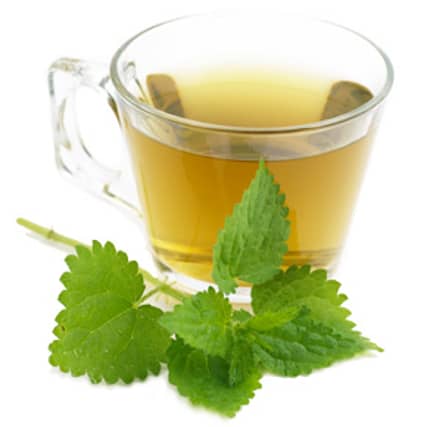

In the last of the series of articles on nettles, medical herbalist Sabine Hiller unlocks the plant's many medicinal uses.
Herbal Medicine
Sabine Hiller
Nettles have been used medicinally for thousands of years. They still have a lot to offer to this day and are part of every medical herbalist’s dispensary.
What’s in there?
Nettles are rich in minerals, such as potassium, calcium, magnesium, iron, zinc, selenium and in particular, absorbable silicon. Silicon is needed to maintain healthy bones, and lack of it is associated with poor calcium utilisation, showing as dry brittle hair, brittle nails and poor skin quality.
Vitamins include those of the B group, C, E, K and beta-carotene. Nettles also contain a range of flavonoids (plant pigments), which have anti-oxidant and anti-inflammatory actions. They also prevent platelets from sticking together. This anti-platelet action supports the traditional use of nettles in the treatment and prevention of heart disease.
There are also several anti-inflammatory organic acids and the compound scopoletin, which has anti-spasmodic and cancer-preventing properties.
As nettles may slightly lower blood pressure and blood-sugar levels, it is important to remember that taking nettles in very large doses may not be recommended for those already on diabetic or anti-hypertensive medication. Likewise, as nettles contain significant amounts of Vitamin K – use cautiously if on anti-coagulants. If in doubt consult your health practitioner.
Nettle leaves
Nettle-leaf extracts have been shown to inhibit a variety of inflammatory mediators, which explains why they are so useful in both arthritic conditions and allergies. While self-medication may be an option in some cases, best results are achieved by having a medical herbalist prescribe herbs tailored to your individual needs.
Nettles are often used by medical herbalists for allergic rhinitis, asthma and urticaria. Clinical trials have shown that nettle leaves improve the symptoms of allergic rhinitis, especially when used at the start of the first symptoms. Nettles would definitely feature in most of my prescriptions for hayfever.
Nettles also inhibit inflammatory mediators that destroy cartilage in both osteoarthritis and rheumatoid arthritis, so they can be of use in those conditions. Gout sufferers can also benefit, as nettles help the body to excrete uric acid, high levels of which can cause the painful condition. Clinical trials have also shown that nettle extracts help to reduce pain and may allow for a lower dose of pain killers in patients with osteoarthritis.
Nettle leaves can also increase the flow of urine in patients with oedema (formerly known as dropsy) due to venous insufficiency or heart failure.
Used externally, nettle extracts help to staunch bleeding wounds, probably due to their high Vitamin K content.
Traditionally, nettles have often been used for anaemia, and recent research indicates that such use may well be justified. Nettles have also long been promoted as a herb to stimulate milkflow in nursing mothers, but whether this reputation is purely due to the nutritive value of nettles or whether nettles in fact increase milk flow is not yet clear. Nettles are also used in the early stages of late-onset-diabetes – the blood-sugar lowering action of nettles, although mild, supports such use.
Nettle roots
Nettle roots are very useful for men with enlarged prostates. Root extracts have been shown to inhibit inflammation and to reduce prostate volume and residual urine – in other words, they help the bladder to be completely emptied. Nettle-root extracts may even halt enlargement in the long-term, and are used in combination with saw palmetto and other herbs. There is also some evidence that nettle roots may slow certain types of prostate cancers.
Nettle seeds
There are several case histories documenting how nettle seeds help improve kidney function in patients with kidney disease. Further research is needed to build on these exciting reports.
So, from the tips of their leaves to the end of their roots, nettles are an invaluable little plant for human health and wellbeing. Think twice before you curse at one if you get stung!