

“Planned fuel tax increase should be scrapped”, says Mayo TD
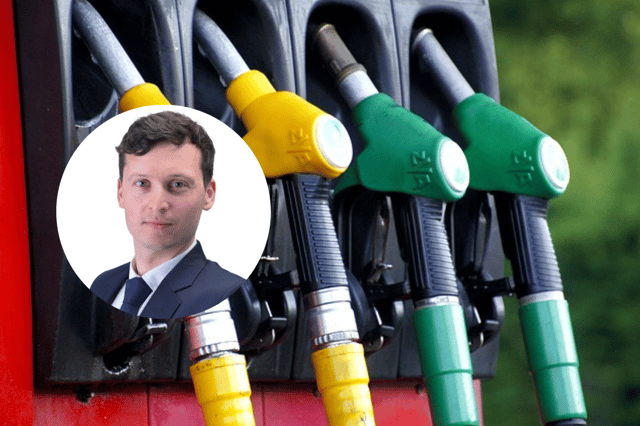

TD Paul Lawless has called on the Government to abandon proposed increases in petrol and diesel taxes, warning of further pressure on rural families and businesses
Mayo TD Paul Lawless has told the Dáil that the Government should completely scrap its planned fuel tax increases rather than simply postponing them.
Speaking to the Dáil, Deputy Lawless said the timing was wrong for any increase in the cost of petrol and diesel, particularly for people living in rural areas.
“Postponing a bad decision does not make it a good one. Families do not need a temporary stay of execution at the petrol pump. They need certainty,” he said.
The Aontú TD said petrol and diesel were necessities rather than luxury goods for people across rural Ireland, where many families depend on cars to get to work, bring children to school and attend medical appointments.
He also warned that higher fuel costs could have a knock-on impact on the wider cost of living.
“If fuel inflation is permitted by the Government, then it will lead to inflation everywhere else. Every lorry delivering to a supermarket carries the price of diesel onto the shelves,” he said.
Deputy Lawless also criticised the Government’s approach to climate policy, arguing that greener alternatives should be made more affordable rather than increasing costs for households.
“Aontú was the only party to vote against the Climate Action Bill because we knew it would lead to carbon taxes down the road,” he said.
“The Government are using too much stick and not enough carrot when it comes to climate protection. We can protect our environment without impoverishing the people who live in it. Climate policy should make greener alternatives affordable, not make ordinary life unaffordable.”
Deputy Lawless said he had asked the Minister in the Dáil not simply to delay the proposed increase, but to abandon it altogether.
“It is absolutely shocking that the Government are proposing not just restoring tax rates to what they were before the crisis but actually increasing carbon tax beyond what it was when this crisis began,” he concluded.