

How growing blueberries is making Mayo more climate resilient


Food Forests Ireland collaboration set to expand along the Great Western Greenway
Who knew growing blueberries and strawberries could help your community in the fight against climate change.
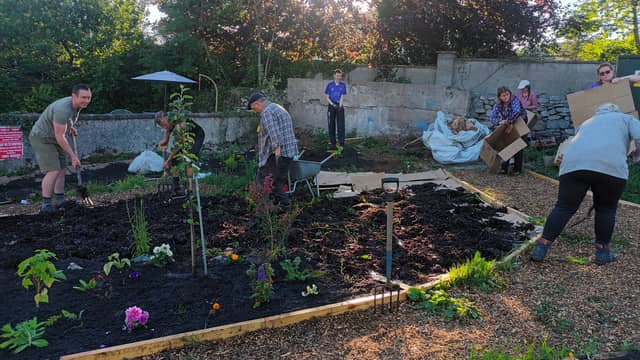
One community in Westport has been getting their hands dirty for the last 12 months by planting apple and pear trees, as well as raspberries in their very own food forest.
Residents both young and old have been getting stuck in and intergenerational relationships have been grown alongside the plants and trees.
The result is The Father Angelus Park Food Forest, where neighbours are reaping both the fruit of their labour under a pergola, as well as having fun along the way.
Cuttings from a gooseberry bush from the garden of a 91 year old resident will create a meaningful link with the community and the food forest.
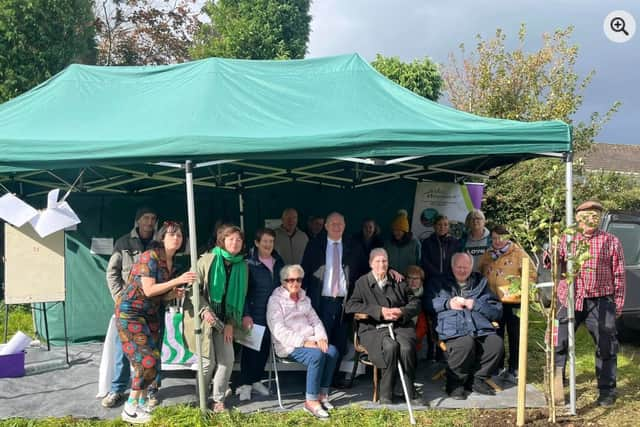
The project is the brainchild of Food Forests Ireland CLG, in collaboration with Westport Tidy Towns and Trinity College Dublin through the EU LEVERS research project.
It has been such a success that they now want to replicate the food forest model in communities and towns all along the Great Western Greenway.
“It's teaching people about climate change. It's taking climate action, but having a bit of craic”, Caithriona McCarthy from Food Forests Ireland.
“They're learning about how to make their community more climate resilient. They're planting, they're growing food, or learning to grow food without using chemicals. They're becoming conscious of food miles. They're also learning about soil management.”
“Food forests are our way of engaging groups in the conversation around climate change, and for communities to realise that by planting food forests they're taking real climate action.”
“They are really easy and very low maintenance, which is a big plus for us when we want to extend this along the Greenway.”
“This ambitious extension will bring food forests and edible planting to one of Ireland’s most beloved cycling and walking routes, linking communities through a shared vision of climate action, biodiversity, and local food.”
At a time of raised climate anxiety, for people looking to make a practical difference, food forests may be the answer.
Caithriona explains that this is a call to action on climate change at a time when people know they need to do something but may not know what they can do. Especially when many can’t afford solar panels or an electric car.
Food miles
The delicious win from these food forests isn’t only felt when a juicy strawberry hits your lips, it is also about cutting down on food miles.
“If we all planted a little bit more, we would take the pressure off the system. We will never be able to become completely self-sufficient but we're importing a lot of our food.”
“So we could all grow a little bit more. Take the pressure off the system, and actually, it will alleviate the pressure on the system in terms of climate.”
Using the example of apples, she says that by growing them ourselves, you start to ask yourself, “Do we need to be buying apples from Argentina or overseas all the time?”