

Mayo TD calls for ‘common sense’ change to School Transport Scheme

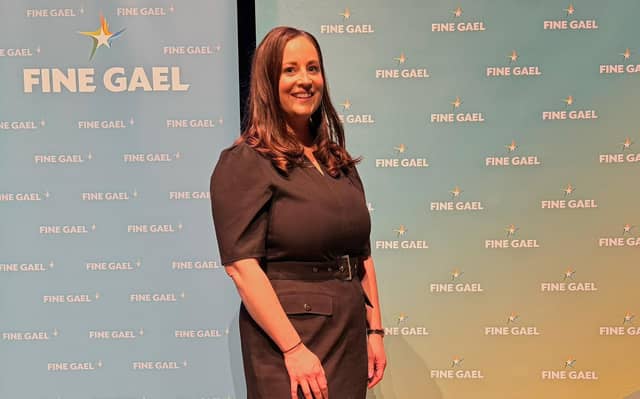

Mayo TD Keira Keogh calls for immediate reforms to what she described as an outdated and rigid system that is causing “frustration and stress” for families across rural Ireland.
Mayo TD Keira Keogh calls for immediate reforms to what she described as an outdated and rigid system that is causing “frustration and stress” for families across rural Ireland.
Speaking in the Dáil chamber, Deputy Keogh highlighted mounting concerns about the scheme’s strict eligibility criteria, particularly those related to the designation of “nearest and second nearest” schools.
“School transport continues to cause frustration and stress to many families across rural Ireland,” Keogh said. “Specifically, the eligibility criteria for nearest and second nearest schools. This requirement fails to reflect family circumstances, school preferences, and logistical realities on the ground. It is simply too rigid and does not reflect modern Irish society.”
One case highlighted by Keogh was a parent from Glenhest, outside Newport, who is feeling the brunt of the ‘outdated eligibility criteria’. Their daughters were offered places in Sacred Heart School in Westport but are deemed ineligible due to the portal listing Davitt College in Castlebar as their “nearest” school. Both schools are 21k from the home, but Davitt college is 0.3K closer to their home.
The Westport TD stated, “We need to move away from a rigid, proximity-based model toward a system grounded in common sense and fairness. A modernised transport scheme is not a luxury, it is a necessity for rural equality and access to education.”
Minister for Education Helen McEntee outlined that over the lifetime of this government there are plans to expand the school transport scheme to 100,000 more children, which would allow for removal of the barrier to choose your nearest school ensuring that children can avail of the transport scheme when attending a school of their choosing.
Keogh is now calling on the Department of Education to allow flexibility in the scheme for the next term, as a temporary alleviation, in cases where the portal isn't taking account the feeder schools, or when the difference between nearest and second nearest school is less than 2K in rural areas.