

“Listen to your body”: Mayo nurse raises awareness of Ireland’s hidden condition
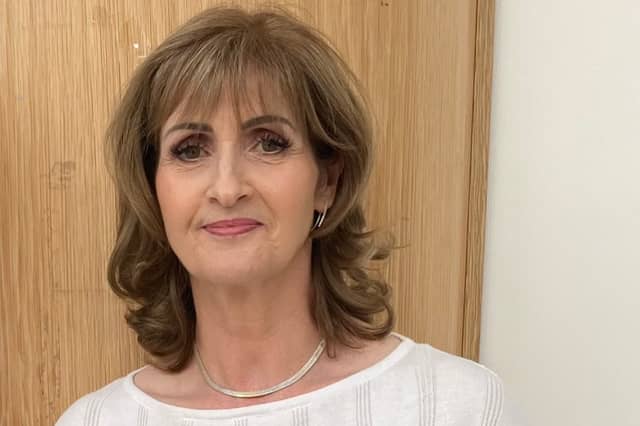

Claremorris woman Áine Kelly shares her experience of haemochromatosis as World Awareness Week shines a light on the country’s most common genetic condition
As World Haemochromatosis Awareness Week takes place from June 1 to 7, 2026, health advocates are urging people across Ireland to recognise the early signs of a condition often described as the nation’s “hidden condition” — and to seek testing before complications arise.
Haemochromatosis, sometimes referred to as the “Celtic gene” condition, is Ireland’s most common genetic disorder. Around 1 in 5 people carry the gene, while approximately 1 in 83 are at risk of developing iron overload. Despite this, many people remain unaware they may be affected.
The Irish Haemochromatosis Association (IHA) says awareness is still too low for a condition that can quietly progress for years. Without treatment, excess iron builds up in the body and can damage vital organs including the liver, heart, pancreas and joints. Left undetected, it may lead to serious complications such as liver disease, diabetes and cardiac issues.
Yet early diagnosis changes everything.
When identified in time, haemochromatosis is highly manageable through a simple and effective treatment known as venesection — regular blood removal similar to donation — which reduces iron levels and prevents long-term damage.
The challenge, campaigners say, is recognising it early enough.
Common symptoms such as persistent fatigue, joint pain, abdominal discomfort and “brain fog” are often vague and easily attributed to stress, ageing or busy lifestyles. One tell-tale sign, sometimes referred to as the “iron fist”, is pain in the knuckles.
Research has also highlighted clear genetic “hotspots” across Ireland, with higher concentrations of risk identified in the North-West.
For Claremorris-based palliative care nurse Áine Kelly, the condition first appeared as something far more ordinary.
“I just knew I felt really unwell,” she recalls. “I had chronic fatigue, brain fog and couldn’t concentrate at work.”
Multiple blood tests eventually revealed elevated iron levels, followed by genetic screening confirming haemochromatosis — a diagnosis she received around 12 years ago.
“At first you think maybe it’s stress,” she says. “But I didn’t feel stressed. I just wasn’t myself.”
Now living with the condition day to day, Áine says management is straightforward once diagnosed.
“I have regular blood tests and venesection when needed. It could be twice a year, it could be five times — it depends on my [iron] levels. But day to day, I work, I exercise, I live normally.”
She says awareness is still the biggest issue.
“People don’t realise how common it is. The symptoms are so general that it gets missed. But a simple blood test can make a huge difference.”
The Irish Haemochromatosis Association is calling on anyone experiencing persistent symptoms or with a family history of the condition, to speak to their GP about screening. Initial testing involves an iron panel blood test, followed by genetic testing if levels are raised.
Medical experts echo the message. Professor Suzanne Norris, Consultant Hepatologist at Dublin’s St James’s Hospital, says early detection is key.
“Serious complications can be avoided if the condition is diagnosed early. We have the tools to prevent long-term damage and help people live well.”
Professor John Ryan, Consultant Hepatologist at Beaumont Hospital in Dublin, adds that Ireland is now playing a leading role in international research and awareness.
“The key message is that haemochromatosis is highly treatable. Early diagnosis is everything.”
For Áine, the message is simpler. “Listen to your body. If something doesn’t feel right, get checked. Don’t ignore it or assume it’s just tiredness. It might be something more.”
As awareness week begins, campaigners hope more people will recognise the signs earlier — and understand that, in this case, a simple test could prevent a lifetime of complications.
For information and support visit www.haemochromatosis.ie