

“Don’t ignore the signs”: Mayo nurse shares her Coeliac journey
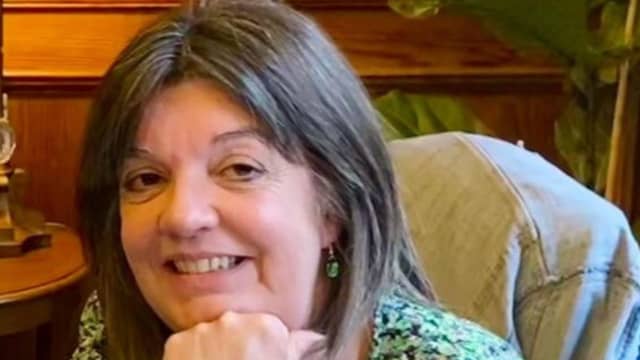

As Coeliac Society of Ireland marks Coeliac Awareness Month, Jo Dean is urging people with ongoing symptoms to seek testing and rule out coeliac disease
FOR years, Jo Dean put her symptoms down to the demands of everyday life. A busy nurse, mother of two and active member of her community, she simply kept going.
But in 2021, after years of unexplained anaemia and other health issues, the Mayo woman finally got an answer: coeliac disease.
Now, as Coeliac Society of Ireland marks Coeliac Awareness Month this May, Jo is sharing her story to encourage others not to ignore persistent symptoms.
The campaign’s message is simple but powerful: “Don’t Live with Uncertainty – Rule Out Coeliac Disease.”
It is estimated that around 78,000 people in Ireland are currently living with undiagnosed coeliac disease. Despite affecting approximately 1.7 percent of the population, the condition is often overlooked, with symptoms mistaken for other illnesses or dismissed altogether.
Coeliac disease is a lifelong autoimmune condition in which the body reacts to gluten, a protein found in wheat, barley and rye. This reaction damages the lining of the small intestine, affecting the body’s ability to absorb nutrients properly.
Symptoms can vary widely and may include fatigue, digestive issues, brain fog, anaemia, skin problems and nutrient deficiencies.
Warning signs
For Jo, the warning signs were there, though not always obvious.
“Before my diagnosis, really my main problems were heartburn and anaemia,” she said. “I didn’t have the classic digestive symptoms people often associate with coeliac disease.”
During the COVID-19 lockdown, her health deteriorated significantly. Severe anaemia led to hospitalisation and blood transfusions. It was during those investigations that a gynaecologist suggested a coeliac screening blood test.
That initial test was only weakly positive, and it would take a further year and an endoscopy before Jo received a definitive diagnosis. By then, significant damage had already been done to her small intestine.
Looking back, she now recognises other subtle signs, including skin issues and stomach discomfort after heavy meals.
Since adopting a strict gluten-free diet, Jo’s health has improved dramatically. Her anaemia has resolved, digestive discomfort has eased, and even long-standing skin problems have cleared up.
Challenges
However, living with coeliac disease comes with its own challenges.
“The biggest adjustment is having to announce your condition in public,” she explained. “Eating out is no longer something you can do without planning. You have to ask questions, and sometimes you feel like you’re making a fuss when really you’re just trying to stay well.”
While awareness has improved in recent years, particularly in menu labelling, Jo believes there is still a lack of understanding, especially in the hospitality sector.
Sarah Keogh, a CORU-registered dietitian, says that is exactly why awareness campaigns remain so important.
“Many people across Ireland live with symptoms they may not realise could be linked to coeliac disease,” she said. “Because it can present in different ways, from fatigue and low nutrient levels to digestive issues, it is often overlooked or mistaken for other conditions.”
She stresses that anyone with persistent symptoms should speak to their GP and ask one important question: ‘Have you ruled out coeliac disease?’
A simple blood test can provide the first clues, but it must be done while the person is still eating gluten.
If left untreated, coeliac disease can lead to serious complications, including osteoporosis, infertility, malnutrition and an increased risk of certain cancers.
For Jo, the message is clear.
“Don’t ignore ongoing symptoms,” she said. “If you know there’s a history of coeliac in the family, ask for the coeliac screen. Don’t go a long time with changes in your bowels or anaemia for an unknown reason.”
MORE