

GARDENING: ’Tis the bare-root season
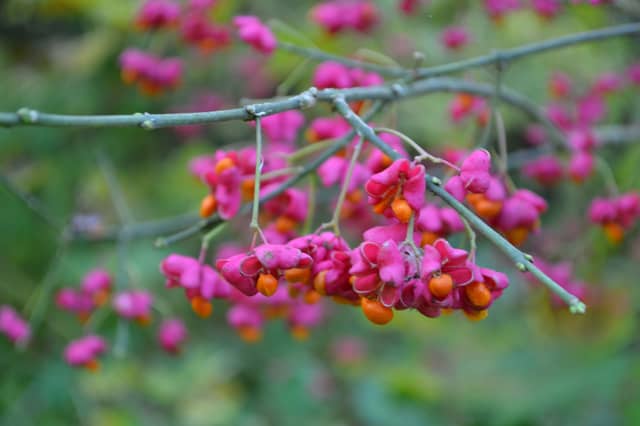

Sleeping bare-root trees cost a snip and are simple to plant
The frosts have arrived and the trees are now finally dormant. Our more recent milder winters seem to delay this slumber of what is called bare-root season. It now seems to be December before our trees have finally dropped their leaves and are sleeping until April.
Shedding of leaves has evolved to reduce winter storm damage, other evergreens have evolved leaves that do not catch the wind well. The fallen leaves protect the soil from cold and erosion and later decay to make excellent nutritious feed to build top soil. The leaves are also important habitat for many insects and mammals over the winter.
Bare-root trees are young trees that have no soil around their exposed roots. This winter dormancy period allows for the movement of deciduous trees – moving them while active mostly results in death. Bare-root trees are a very cost effective way to acquire large amounts of tree stock that would otherwise cost three to four times more if purchased potted. The big advantage of the more expensive potted trees is that they can be planted any time of the year. Evergreens and conifers tend not to be available in bare root format as they don’t really go dormant so only survive movement if potted.
As usual, I will focus on native trees and leave the exotics to my other gardening colleagues.
Choosing your trees
Trees can be located and removed easily in their bare-root presentation from road sides, construction sites or purchased from nurseries and suppliers. Ask for permission if possible, but if their destruction is imminent then I feel it at worst a misdemeanor to move them to a safe location. If purchasing, I would recommend finding nurseries that are sourcing or growing native-Irish-provenance stock rather than those importing from abroad, as the local provenance species have evolved for our climate, soil and support our ecosystem species.
Tree choice depends of the location and water content of soil. Where we live we are lucky to have pH-average neutral clay soil where all Irish species seem to grow without problems. In urban areas I would recommend smaller trees, such as hawthorn, rowan, holly, spindle, guelder rose, elder, hazel, willow and crab apple.
If you have the space planting larger trees on the northern aspect so as not to block future light using oak, wych elm, poplar, wild and bird cherry, alder, birch. Trees that grow well in wet and saturated soils are alder, willow, poplar, ash, guelder rose, elder and wych elm. Some species, such as willow and elder, grow easily from local tree cuttings so you do not need to purchase these.
Ash, a large tree of great importance commercially and ecologically, is under attack at present with an airborne fungal disease called dieback (Hymenoscyphus), which arrived from imported stock. The stress of moving ash makes it more prone to disease, so it is not recommended for planting at this time. If ash seedlings arrives naturally then let it grow, the more that grow the better, as a very small amount will be resistant and these are the future.
Do not prune off limbs off ash, as this exposes the tree to these fungal air borne spores. Dying ash trees like any standing dead tree will provide significant ecological benefit for insects and birds, and if possible should be left place. Large limbs can be cut if they present a risk.
Planting and caring
It is important to ensure the bare and exposed roots do not dry out – keep them moist and covered and away from sun and wind. A good temporary storage strategy is the use of damp sand to cover the roots.
Planting bare root trees is not complicated – cover the roots with loose soil, give the stem a gentle shake to ensure soil distributes between the root spaces and then gently compress the soil to remove air pockets and ensure good root and soil contact. Some tree species can die if the soil rides too high up the stem – good practice is to just see the roots at the surface.
Larger specimens in exposed areas may need support for the initial two to three years. Sheltered smaller tree stock mostly do not. You may need to protect your new trees from grazing damage of rabbits, hares, sheep, or deer with tubes or fencing. Interestingly, in our garden, our rabbit problem resolved naturally when the grass grew tall – rabbits cannot see predators approach in these tall growth conditions and don’t stay.
It has been practice to control competing growth (often with herbicide) around newly planted species. I do not see the logic in this as a mix of plant species is beneficial to the soil health, and once the tree is above grass height I have not seen any problems.
The first task of newly planted bare-root trees in the spring is to grow functioning fine hair-like roots from the main root branch and establish connection with soil bacteria and fungi. Watering is very helpful during the first year, although I have noticed the vast majority will survive on minimal and even no watering. Some species more than others are more sensitive to dry conditions in their first season such as elder cuttings and birch.
Finally, sit back and watch your effort flourish.
Oliver Whyte’s garden, Coill an Chúir at Sandyhill, Westport, is included on the Clew Bay Garden Trail. A chain of beautiful and unique private gardens, the trail opens to the public during summer to raise funds for charity (see www.clewbaygardentrail.ie for more). Each month, an article by a trail member appears in these pages.