

GARDENING: The art of underplanting
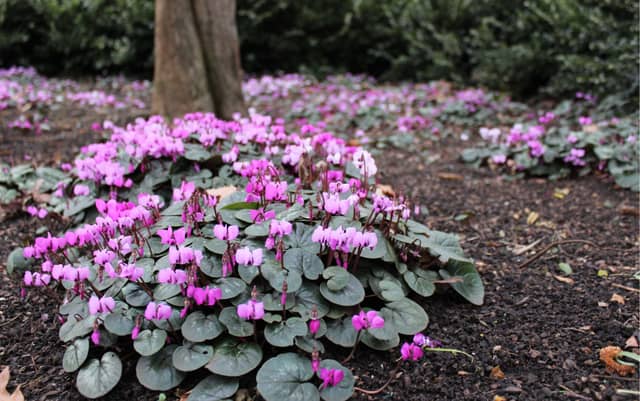

Bring the ground under your trees to life
What is underplanting? The most common example would be bulb-planting under trees. You’ve probably seen this before – snowdrops, crocuses, daffodils and so on under deciduous trees in early spring. It’s such a delightful sight!
Also, if you look carefully, you’ll begin to see underplanting everywhere. For instance, in early summer, you will encounter breathtaking carpets of bluebells in the woods.
Last April, I was visiting New York and I fancied a look at the spring planting on the famous High Line (an old rail line which has been transformed into an oasis of greenery for New Yorkers and visitors alike). This garden was designed by renowned Dutch garden designer and plants man Piet Oudolf, who is known for his nature-inspired garden design and plant choices. All the plants were chosen for their hardiness, sustainability and ever-changing textures and colours in all four seasons.
When I visited the previous time in the height of summer it was all trees, shrubs, tall grasses and perennials, with abundant planting. This time, in New York’s bitter-cold April, there were many dainty examples of species scilla, tulips and narcissuses. These bulbs are less showy than the hybrids, but they bloom earlier and they are more apt to come back year after year without special treatment. Also they are short and not top heavy, so they withstand rain and wind, unlike hybrids, and the good news is they’ll often increase on their own too.
Underplanting is done for several reasons. It prevents bare soil under trees or shrubs, which creates an unnatural look with little to no drama, and allow to weeds to take over if unattended.
If you have a small garden, every space is valuable and precious. Why not use these spaces to create seasonal interest? There are particular plants that love these sorts of conditions. Autumn leaves falling from deciduous trees are nature’s own soil improver, recycling nutrients and adding the humus that shade- and shelter-loving plants need to thrive.
Seasonal drama
To create special seasonal drama by planting bulbs and corms, consider the following narcissuses, crocuses, cyclamen and tulips.
There are lots of varieties of bulbs/corms for underplanting. These ones need good sunshine: Tulipa Tarda, Tulipa Whittallii group, Tulipa Clusiana, Tulipa Tarkestanika, Cyclamen Hederifolium (autumn flowering), Cyclamen Coum (spring flowering), Scilla Spring Beauty, Erythronium Pagoda and Narcissus Pseudonarcissus (wild version of daffodil, very short).
When it comes to shade-loving perennials, why not consider Dicentra Fermosa, Sweet Woodruff, hostas, ferns (there are so many varieties to choose from, but smaller ferns might be a better fit to go under smaller trees; be aware that shuttlecock ferns run!), Hakonachora (one of the best and most beautiful Japanese grasses), Epimedium, Solomon’s Seal, Astilbe, wild anemone, Winter Aconite, Welsh poppy.
Then there are the shade-tolerant perennial (shade-tolerant), like geranium (most varieties), primula (the small double white-flowered Dawn Ansel increases rapidly and healthily while the Japanese Candelabra primula is sturdy and its height is eye-catching, aquilegia, persicaria (many perscicaria will work and you can choose the perfect height for your garden – amplexicaulis has red flowers and is attractive), Creeping Dogwood (needs slightly limy soil), wild strawberry (alpine strawberry), hellebore, Euphorbia polychroma and sweet violet.
These recommended perennials often run freely, but they are not invasive, so it’s best to leave them more or less to their own devices, leaving fewer materials and expenses involved in underplanting.
If you’re unsure where to get your bulbs and corms, I can recommend www.farmergracy.co.uk, www.peternyssen.com and Heritage Bulbs Ireland.
Winter is here, so now is the time to dream and plan next year’s garden.
Jobs for November
• Plant bare root trees including fruit trees
• Cut back all the perennial plants and clean up annual plants
• Save seeds
• Mulch the ground with seaweed or compost
• Protect tender plants with the fleece or bring them into the green house.
• Lift Dahlia tubers, if not, mulch with the straws or brackens and cover with plastic
• Order seeds and bulbs
• Read garden books and watch garden TV programmes and dream!
Eriko Uehara Hopkinson is a member of the Clew Bay Garden Trail. A chain of beautiful and unique private gardens, the trail opens to the public during summer to raise funds for charity (see www.clewbaygardentrail.ie for more). Each month, an article by a trail member will appear in these pages.