

Mayo Abbey campaign to continue despite wind farm planning refusal
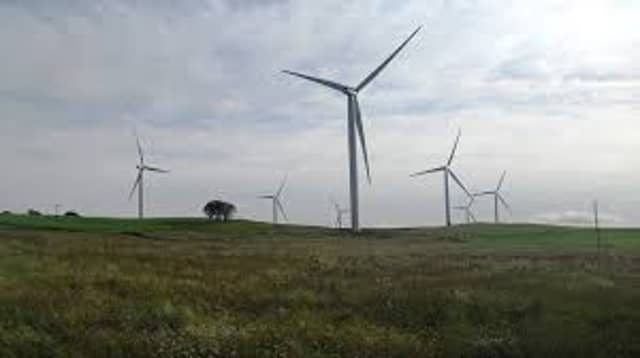

Community group urges residents to stay engaged as a separate substation application remains under consideration
The Mayo Abbey community campaign against the proposed Cunlaghfadda Wind Farm is set to continue despite Mayo County Council’s recent decision to refuse planning permission for the development.
In an update issued following a committee meeting, campaign organisers welcomed the Council’s decision, describing it as a significant milestone.
The refusal cited concerns over the impact of the proposed turbines on the surrounding landscape, the nationally significant ecclesiastical heritage of Mayo Abbey and nearby residential properties.
“The Council concluded that the proposed turbines would have unacceptable impacts on the sensitive landscape surrounding Mayo Abbey, the setting of our nationally important ecclesiastical heritage, and nearby residential properties,” Mayo Abbey community said.
The committee thanked residents for their strong support throughout the campaign, acknowledging the large public response through meetings, planning submissions, information sharing and community engagement.
However, campaigners stressed that the planning process is not yet over as the developer has the right to appeal the Council’s decision to An Coimisiún Pleanála. Moreover, a separate planning application for a proposed 110kV electrical substation and associated grid connection remains under consideration by the planning authority.
The closing date for public submissions on the substation application is 1 September.
In the coming weeks, the committee plans to hold a public information meeting outlining the proposal and planning process, organise a submission clinic to assist residents in preparing observations, continue engaging with environmental and heritage organisations, and provide updates through its social media channels.
Campaign organisers are encouraging local residents to make submissions, saying issues such as archaeology, biodiversity, landscape, water quality, traffic, residential amenity and the cumulative impact of development will all be considered as part of the planning process.
The committee said the Council’s refusal represents an encouraging step but urged the community to remain involved as the campaign enters its next phase.