

Strong bathing water results for Mayo in new EPA report
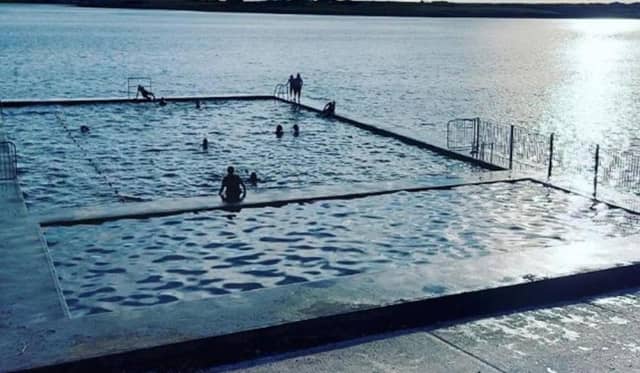

New EPA findings include Belmullet Tidal Pool among new sites highlighted as climate pressures and heavy rainfall pose growing challenges
Bathing water quality across Ireland remained at a high standard in 2025, according to the latest report from the Environmental Protection Agency (EPA), with strong results also reflected in Mayo’s coastal and freshwater bathing areas.
The Bathing Water Quality in Ireland 2025 report shows that 98 percent of monitored sites (150 of 153) met or exceeded the minimum required standard of ‘Sufficient’, while 78 percent were classified as ‘Excellent’, only slightly down from 2024.
Just one bathing water site nationally is now classified as ‘Poor’, down from two the previous year.
In Mayo, the new bathing water site at Belmullet Tidal Pool was officially identified in 2025. The site will require at least one more season of sampling before a formal classification is assigned.
The EPA said the addition reflects ongoing efforts to expand monitoring and better understand water quality trends in coastal communities such as Erris and the wider Mayo coastline, where bathing and tourism are important local economic drivers.
However, the report also warns that increasing climate pressures are beginning to affect bathing water management nationwide, including in western coastal counties like Mayo.
'Excellent' water quality was recorded at Bertra, Westport; Carrowniskey and Old Head, Louisburgh; Clare Island; Dooega, Dugort, Golden Strand, Keel and Keem in Achill; Elly Bay, Mullaghroe, Rinroe Beach in Belmullet; Mulranny Beach, and Ross Beach in Killala.
The beach at Carrowmore in Louisburgh was the only one to fall below the standard and was classified 'Sufficient'.
Heavy rainfall events were more frequent throughout the 2025 bathing season, increasing the risk of contamination from wastewater, agricultural runoff, urban drainage systems, and other sources. These events contributed to a rise in short-term bathing water warnings issued to protect public health.
Incidents linked to urban wastewater were identified as the most common cause of bathing water issues nationally, often leading to temporary beach closures and restrictions.
The EPA noted that bathing water warnings issued in advance of heavy rainfall nearly doubled in 2025, reflecting the growing unpredictability of weather patterns during the summer season.
Commenting on the findings, Roni Hawe said that while water quality remains high overall, climate-related pressures are becoming increasingly significant.
“We are pleased to report that bathing waters continued to achieve a high standard of quality nationally in 2025,” she said. “However, the greater frequency of heavy rainfall events throughout the bathing season highlights an increased risk to people’s health when swimming after heavy rainfall.”
She added that local authorities must adopt more climate-resilient approaches to manage rainfall-driven pollution risks and maintain high standards into the future.
The EPA emphasised that stronger investment in wastewater infrastructure, improved monitoring, and better management of agricultural runoff will be essential to protect bathing waters, particularly in rural and coastal regions such as Mayo where communities depend heavily on clean beaches for recreation and tourism.