Denis O’Donovan of Ballyryan, Donohill, Co Tipperary
Search


12 Mar 2026

Please allow ads as they help fund our trusted local news content.
Kindly add us to your ad blocker whitelist.
If you want further access to Ireland's best local journalism, consider contributing and/or subscribing to our free daily Newsletter .
Support our mission and join our community now.
To continue reading this article, you can subscribe for as little as €0.50 per week which will also give you access to all of our premium content and archived articles!
Alternatively, you can pay €0.50 per article, capped at €1 per day.
Thank you for supporting Ireland's best local journalism!

The death of Erris man Stephen Lavelle was raised in the Dáil by Sinn Féin leader Mary Lou McDonald.

The death of an Erris man was raised in the Dáil this afternoon by Sinn Féin leader Mary Lou McDonald who said it highlighted 'in a most harrowing way the severe crisis in our ambulance service'.
Speaking during Leaders’ Question, Deputy McDonald raised the case of Stephen Lavelle from Ardmore, Binghamstown who died in Mayo University Hospital on January 11 last.
Mr Lavelle fell gravely ill in a local pub at 10.25pm on January 10 and his family were forced to drive him to the hospital Castlebar after no ambulance arrived despite a number of calls to the emergency services.
Addressing Micheál Martin, Deputy McDonald said: “The ambulance service is stretched to breaking point and you’ve known all of this for years. Yet recruitment of paramedics hasn’t even scratched the surface of what’s needed.
“The government has stood by and allowed all of this to happen. And its ordinary people - in their most desperate, most vulnerable moments - who pay the price.
“What will you do to make sure nobody goes through what Stephen Lavelle and his family went through on that awful night?”
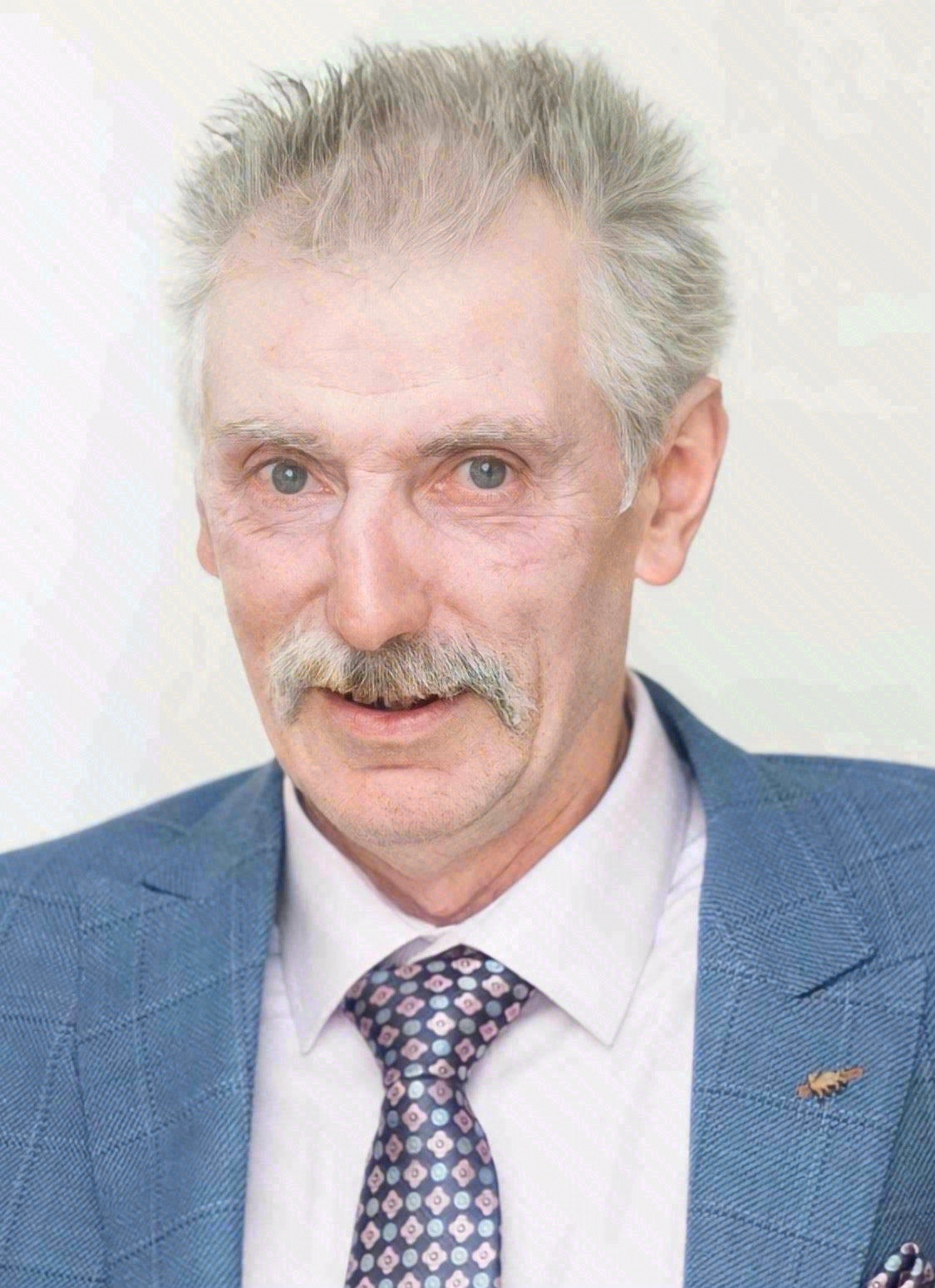
Stephen Lavelle RIP
In response, An Taoiseach Micheál Martin said that no words can console the family of Mr Lavelle but there has been significant investment in the ambulance service in recent years.
“There had been additional posts allocated to the National Ambulance Service (NAS).
“We're looking at this year alone again, another €8m for 180 additional posts, and for development of NAS specialist services - about 81 of those have been recruited to date with the remainder at various stages of recruitment.
“At the moment, investment by the Government is seeing total NAS staff rise to 2,430 as of August 2025 and that’s a rise of 25 percent or 502 staff since 2020 - with 85 percent working in direct patient facing roles,” he said.
The death of Mr Lavelle shocked the close-knit community on the Mullet peninsula and in his homily during the Funeral Mass on Friday, local parish priest Fr Kevin Hegarty commented that Mr Lavelle did not receive the medical help which families have 'have a right to expect' and this has added to their suffering and loss.
Deputy McDonald told the Dáil that when a doctor arrived at the pub Mr Lavelle's family were informed that this was a category one emergency and he needed 'to get him to hospital right now'.
She said there was 'still no sign of the ambulance' and in desperation, the family carried Stephen to a car to drive the 56-mile journey to Mayo University hospital.
“His wife, Martina, his son, Anthony and his daughter-in-law Rebecca, all accompanied him. As they drove, Stephen’s condition deteriorated. He was screaming in pain. They kept getting disconnected from the ambulance service because of bad mobile phone coverage.
“Stephen’s head began to droop. His eyes were wide in his head. Rebecca started CPR in the car. They finally did meet the ambulance but that was when they were only three minutes from the hospital. When they arrived, no one was waiting for them at the hospital.
READ: Mayo national park is the least Instagrammable in Ireland
“Anthony ran in and got help. It was now well after midnight. Stephen’s pulse came back after eight minutes of CPR. He was ventilated and he was brought to the ICU. Sadly, Stephen passed away the following morning. He was 68 years old,” she told the Dáil.
Deputy McDonald told An Taoiseach that there are no words to adequately describe the horror faced by Stephen and his family and his death highlights in a most harrowing way the severe crisis in our ambulance service.
“There are stories from all across the country of ambulances taking far too long to arrive. But it is especially dangerous in rural areas where hospitals can be an hour or even more away.
“We have outstanding paramedics. But we don’t have nearly enough of them. Four years ago, you were told that the service required an additional 2,000 staff by 2026. Not even a quarter of that number has been recruited since. So the service is badly understaffed. Paramedics operate under incredible pressure.
“Because of a chronic lack of beds in our hospitals, ambulances often arrive at Emergency Departments to find there is nowhere for the patient to go. So, the paramedics can’t hand over care.
“The ambulance effectively becomes a bed outside the hospital. Sometimes they are stuck there for hours, parked-up rather than on the road responding to emergencies.
“The ambulance service is stretched to breaking point and you’ve known all of this for years. Yet recruitment of paramedics hasn’t even scratched the surface of what’s needed.
“The government has stood by and allowed all of this to happen. And it's ordinary people - in their most desperate, most vulnerable moments - who pay the price.”

Subscribe or register today to discover more from DonegalLive.ie
Buy the e-paper of the Donegal Democrat, Donegal People's Press, Donegal Post and Inish Times here for instant access to Donegal's premier news titles.
Keep up with the latest news from Donegal with our daily newsletter featuring the most important stories of the day delivered to your inbox every evening at 5pm.

This publication supports the work of the Press Council of Ireland and Office of the Press Ombudsman, and our staff operate within the Code of Practice of the Press Council. You can obtain a copy of the Code, or contact the Council, at www.presscouncil.ie, Lo-call 1800 208 080 or email: info@presscouncil.ie.