

Troubled waters

GREEN LIVING McKinley Neal on the steps we can take to help stop good water going down the drain
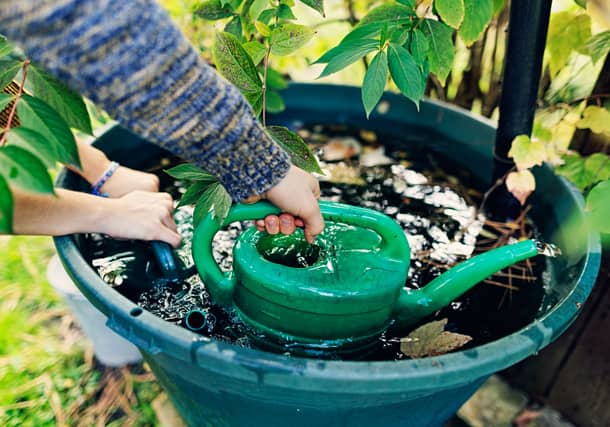
RIGHT AS RAIN Collect rainwater and use it on your plants – it saves on treated water from the tap and the plants will be happier.
Help stop good water going down the drain
Green Living
McKinley Neal
Last Wednesday, March 22, was World Water Day. This annual UN day aims is to highlight the importance of access to fresh, clean water for people around the world, especially in water-stressed areas, and to encourage people to take action to address the water and sanitation crisis that is accelerating globally.
Shockingly, even today, one in four people around the world (that’s 2 billion individuals) lack safe drinking water, according to a 2021 report from the WHO/Unicef Joint Monitoring Programme for Water Supply, Sanitation and Hygiene. Almost half of the global population – 3.6 billion people – lack safe sanitation.
The water situation in Ireland seems less dire, but climate change is accelerating, causing longer periods without rain. There are also big issues related to the of the efficacy of the treated-water supply system, discharge of untreated water/sewage into natural bodies of water and run-off from agricultural fertilisers and pesticides. And some communities here still lack access to clean drinking water.
Energy consumption also impacts on water use. It is estimated that the cooling of power plants is responsible for, on average, 43 percent of total freshwater withdrawals in Europe (UN 2014). This means that all efforts to save electricity will reduce the demand for both energy and water.
To do your bit, only run your washing machine and dishwasher when it is full, and try to only wash clothing only when it is truly soiled, leaving longer periods between washing or using spot cleaning instead. Try to avoid using the dryer – one of the most energy intensive household appliances – by air drying clothes, or reduce drying time by using wool dryer balls.
In both our home and the shop in Westport, we keep water in the sink for soaking dirty items to remove residue before hand-washing items that cannot be put into the dishwasher. When using hot water for cooking, we boil it in the kettle before adding it to the pan, as that is a more efficient use of electricity.
We also cook pasta and other grains in unsalted water, drain it into a pitcher and let it cool and then use it for watering household plants; water for boiling eggs or veg is also suitable for this use.
If you have a water heater that is slow to engage, keep a bucket in the shower until the water warms up to catch water for cleaning or watering. Rain barrels or buckets around the garden allow you to use rain water for irrigation as needed, to avoid watering with treated water.
It’s incredibly important to keep even discharged water as clean as possible, so never pour oil or fats down the drain, and do not flush anything down the toilet except toilet paper.
Standard household cleaning products are potent, containing chemicals that are really stronger than necessary and challenging, if not impossible, for treatment systems to neutralise. Choosing to use the mildest products possible for the job is best, such as white vinegar, baking soda and eco-friendly laundry detergents, spray cleaners and washing up liquid (ones that are not required to put a warning about dangers to aquatic life on their labels!).
These few simple steps will go a long way to reducing the amount of water you use and the amount you waste just going about your daily business.
McKinley Neal is the owner of PAX Whole Foods & Eco Goods, a minimal-waste shop in Westport offering bulk organic foods, reusable goods, household products, eco-friendly personal-care items and gifts.