

OUTDOORS: Building a hen shed
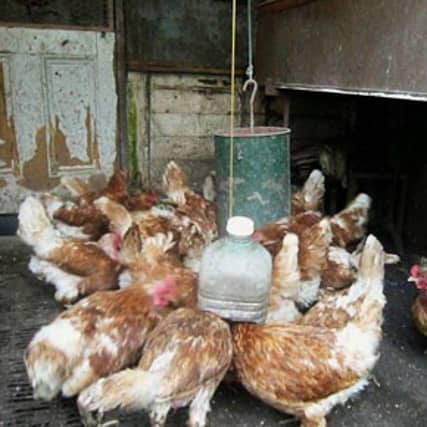

Want to keep a few chickens but don’t know where to start? Putting a roof over their heads is a good place to begin.
Growing your own
Chris Brown
IF you are going to keep some hens, you will want a hen shed to keep them in. Lucky you if you have an existing outbuilding that isn’t needed for something else, or a trailer or old van that can be converted to good effect, otherwise you will need to build or buy a shed.
A search through a catalogue will reveal that timber huts are expensive to buy, and often quite flimsy in quality; my advice would be to build one that is designed to meet the birds’ requirements and robust enough for the weather out west. My building code is that of the three little pigs (they knew a thing or two about keeping out big bad wolves, who came huffing and puffing, which in our case is likely to be the fox, the mink or a dog).
Whatever materials the shed is built of, careful thought needs to be given to the base. It will need proper construction, otherwise undesirables will work out how to get in and they will kill some, or all, of your birds. Focus on making a decent concrete base, which will form the floor of the cabin.
Where to Build
Put the hen shed as short a journey as is feasible from the kitchen door, after all it will be yourself that’s making this walk everyday through the years, and miles away down a muddy slope will make the task burdensome.
Once you are happy with the site, lay down a concrete base. The dimensions 10ft x 15ft (3,000mm x 4,500mm) are big enough for a half-dozen fowls, but also big enough if you’d like to increase your flock to 24 birds, which you are sure to want to do once you have the hang of poultry keeping.
Incorporate glass bottles in the concrete mix (re-use, better than recycle) which insulates the floor from the cold, and rats can’t burrow through glass. If this task seems a little large to take on yourself, we are fortunate in County Mayo that there’s plenty of talented and able people who can lay the base for you.
Having this base finished as smooth as is possible will help when pushing a shovel, and a drain in one corner is very useful.
When the base is ready, take time to admire it, things won’t look this dazzling again once the hens move in, and it’s your investment, worth far more than shares in an Icelandic Bank or other such nonsense. It will be home to birds in your care, and is a recovery step from the awful conditions that many hens have been confined to these past few decades.
Before he died Spike Milligan wrote of battery cages: “…chickens lived in cruel crushed confinement, three to a cage, not for them the sun, not for them a simple walk or stretching their wings. Daily their product was eaten by millions of unthinking morons, all subscribing to a cruelty that would one day indict this century as barbaric.” I agree with him, and it’s my own belief that if sustainability is to be taken seriously, rather than just a buzz word in glossy brochures, poultry sheds should be taken into account when building all new houses.
Not everyone will have the space to build where they live, due to the lack of concern given to self sufficiency in the design and lay-out of modern settlements. In this case, a communal hen shed should be the norm – the inhabitants will want to eat eggs, after all.
Next time More on sheds.