

HEALTH Exercise to stay young
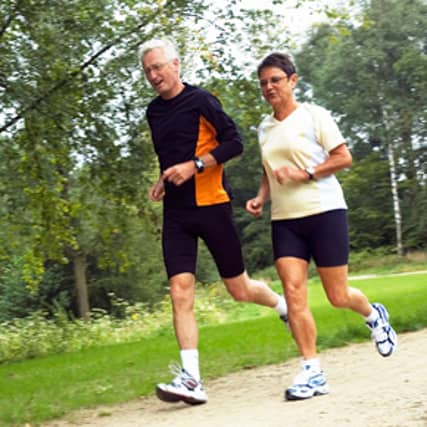

Exercise becomes an even more important factor in our lives as we age, and can help up to slow down the ageing process
KEEPING ACTIVE
Exercise becomes an even more important factor in our lives as we age.
Staying ahead of Mother Nature and Father Time
Personal Trainer
Paul O'Brien
The clock is ticking. One of the few certainties of life is that each of us grows older with each passing day. From our 30s on, fundamental changes begin to take root in our bodies, and most of them are the kind of changes we would rather didn’t happen:
- The maximum heart rate declines by roughly one beat per minute each year.
- Total blood volume (the amount of blood pumped during each extraction) decreases by between 5-10 per cent each decade.
- Bone density decreases by about 1 per cent annually, making us more susceptible to conditions like osteoporosis.
- The average person begins to gain about 2-3 pounds of body weight each year from their thirties or forties on. This weight gain is predominantly fatty tissue, leading to higher levels of LDL cholesterol (known as bad cholesterol), increasing the risk of adult-onset diabetes.
- Muscle wastage also occurs, with as much as 50 per cent loss of muscle tissue in men by the time they reach their late 60s.
- Changes occur in the nervous system, with reflexes slowing, co-ordination skills and balance suffer.
This inexorable ticking of the clock cannot be stopped. However, we do have the power to slow the ticking down and decrease the impact of many of these symptoms. This is the power of exercise.
The Clock Slowers
Exercise has been shown to be the most effective tool in protecting our bodies from the effects of ageing. As well as helping to reduce body fat levels, endurance exercise increases the levels of HDL, or good, cholesterol in the body. Resistance exercise, such as weight training, can also slow the loss of muscle wastage and bone density loss. Balance exercises help to keep reflexes sharp and improve balance and co-ordination. And flexibility training will help keep muscles supple and protect joints, allowing greater freedom of movement and less risk of injury.
All the evidence clearly underlines one key lesson. Many of the effects of ageing we experience are a product of not using our bodies as they are designed to be used. We are gifted with an amazing organism that wants to move. Its purpose is to move. When we deny it that purpose, it’s only natural that our bodies will fall into disuse, creating many of the chronic conditions associated with ageing. Ageing is a natural process and is end product of the root cause of our problems – disuse of our bodies.
Beating the clock
The message is clear. Exercise becomes an even more important factor in our lives as we age. Here are some recommendations for older adults looking to reintroduce exercise into their lives:
- Do 20-30 minutes of aerobic activity five days a week. Walking, jogging, dancing or other weight-bearing activities are best.
- Have a trainer prepare a weight-training programme for you. Thirty minutes of weight training twice weekly is the prescription. The program should also incorporate some balance and co-ordination exercises.
- Join a yoga class or perform a short stretching routine every day for five to ten minutes.
Paul O’Brien is a personal trainer and life coach based in Westport.