

FITNESS The pain gain
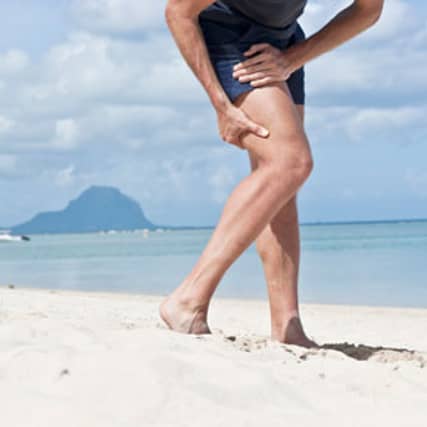

Personal trainer Paul O’Brien on the Delayed Onset Muscle Soreness that can happen after exercise and how to cope with it
IT WILL PASS As your muscles become stronger, the pain of after-exercise muscle soreness will decrease.
The pain gain
Personal Trainer
Paul O'Brien
‘No pain, no gain’ is an old adage that has long been associated with the fitness industry. Most trainers dismiss this in the knowledge that pain usually denotes your body’s response to something that has gone wrong. Not all ‘pain’ is bad however. For the purposes of improving your fitness, it is important to separate pain from muscular soreness.
September strain
If you have recently returned to or are new to running, allow me to introduce you to what I call the ‘September strain’. This refers to the muscle soreness experienced by beginner runners and those returning to running after a long lay-off. As more people take to the roads in September in an effort to achieve their fitness goals, this type of muscle strain becomes more prevalent.
Delayed Muscle Onset Soreness or DOMS is the name given to the muscle soreness experienced in the days after running or performing any weight-bearing exercise. DOMS can vary from mild discomfort to more severe soreness which can make movement slow and difficult. Those new to exercise can be forgiven for thinking that the pain they are feeling is the onset of injury.
However, DOMS is simply the process of your muscles rebuilding themselves after exercise. Any weight-bearing activity will cause a stress upon your muscles, leading to tears in muscle fibres. This process is accelerated and magnified by running, with enormous stress placed upon the muscles through ground impact force. Once the damage is done, your body immediately sets about the process of cleaning out the damaged tissue and rebuilding new, stronger muscle tissue. This is effectively what makes you stronger and fitter.
The repair and rebuild process begins in the hours after your workout, peaking 24-48 hours later. This is the reason why many people experience the greatest level of soreness about 36 hours after a workout. As your muscles become stronger, the effect of DOMS diminishes as your body adapts to your new exercise regime.
Dealing with DOMS
IF the effects of DOMS are inhibiting your ability to exercise, you can try the following:
- Switch to a non-weight-bearing workout, such as swimming or cycling, for a few days.
- Ice the affected area for 10 minutes two to three times daily.
- Cut back on your volume of training for a few days.
Remember though, that DOMS is ultimately a process that will help you become fitter and stronger. So don’t throw the baby out with the bathwater and stop running. Use the tips above and as your fitness gains improve, the pain of gain will be felt much less.
Paul O’Brien is a personal trainer and life coach based in Westport.