

Big changes in rules for one-off rural homes in Mayo on the way

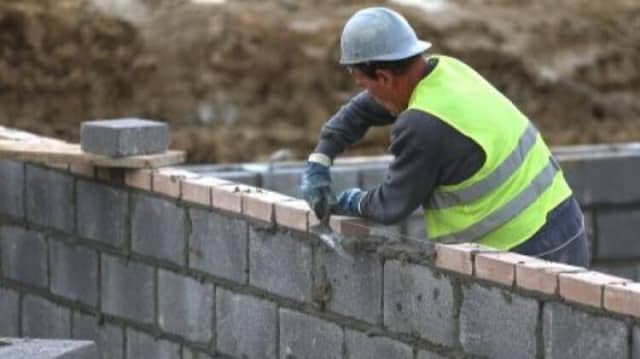

New national planning guidelines are to be issued within 12 weeks, with Minister Browne promising greater consistency and freedom for rural communities
The Government has promised sweeping changes to planning rules for one-off rural homes, with new national guidelines set to be published within 12 weeks.
Housing Minister James Browne described the forthcoming changes as a "liberalisation" of existing rules, saying that rural people who want to live on their family land in their local parishes currently find it "almost impossible" to build.
The new guidelines will be issued as a national planning statement, making them mandatory for all local authorities including Mayo County Council.
A spokesperson for Minister Browne has confirmed to The Mayo News that the rules around one-off planning rules are being 'actively reviewed'.

Dara Calleary, the Minister for Rural and Community Development, has been a strong promoter of the need for revision to existing guidelines
End of a 'patchwork' system
A central thrust of the reforms is to end what the Minister called the divergent and "outdated" interpretation of planning rules by different local authorities across the country. Under the current system, Mr Browne said, each council applies its own reading of national guidelines, leading to vastly different outcomes for applicants depending on where they live.
"We have existing guidelines which have become quite outdated and have been interpreted and reinterpreted. Every local authority now has a different interpretation of what those are," he said.
Minister Dara Calleary echoed the sentiment, telling The Mayo News that consistency is the key priority. "Where families with an interest, with connections to an area want to build in an area, want to rear their family in an area — we should be allowing that to happen," Mr Calleary said.
“I am very focused on planning, working with James Brown on getting a response and getting consistency in planning, so that people know what to expect when they get engaged in the planning, and that's very important,” the Mayo Minister said.
The changes come after years of pressure from rural TDs and councillors who have highlighted the difficulty their constituents face securing planning permission.
'An imaginary line' around Westport
The issue is particularly acute in parts of Mayo. At last month's Westport/Belmullet municipal district meeting, Councillor Brendan Mulroy highlighted what he described as an "imaginary line" drawn around the town that prevents residents on its rural fringe from obtaining planning permission.
"I've said numerous times about the urban area of Westport and moving out to Kilmeena, and you're told 'you can't do that because your housing need is met in the town,'" Cllr Mulroy said. He called for an expedited review of the county development plan to address the problem and stressed that "there's a lot more work to be done."
Council 'always looking for a reason to refuse'
The real-world consequences of the current system were laid bare in a recent planning appeal to An Coimisiún Pleanála, where a Westport-based chartered engineer alleged that Mayo County Council is "always looking for a reason" to refuse planning applications in rural areas rather than seeking a positive outcome for applicants.
As reported by The Mayo News previously, Keith O'Connell made the claim while acting as agent for Martin Fox, who was refused planning permission by the council to build a house and garage on land he owns at Pulgloss, Carrowmore, near Louisburgh. The council found that Mr Fox had failed to demonstrate a sufficient social or economic link to the area as required under the Mayo Development Plan.
In the appeal submission, Mr O'Connell outlined that his client had lived on the same site from 2004 to 2015 before being forced to leave after the property was repossessed by Bank of Scotland during the financial crisis. Mr Fox subsequently appealed the council's decision to An Coimisiún Pleanála.
What happens next
Minister Browne has indicated the new planning statement will be in place within 12 weeks. Once issued, it will be binding on all local authorities, removing the discretion councils have previously exercised in interpreting national guidelines.
Mr Calleary said his department is also finalising a new 'Rural Future' policy document, which will provide the broader strategic framework for rural development over the next four years. He acknowledged both the opportunities and challenges facing rural Ireland — noting population growth in some areas alongside persistent decline in others — and said planning reform is central to addressing both.
For families in Mayo who have spent years trying and failing to obtain planning permission to build on their own land, the reforms will be welcome news.