

TOWNLAND TALES: Our wild places need protection
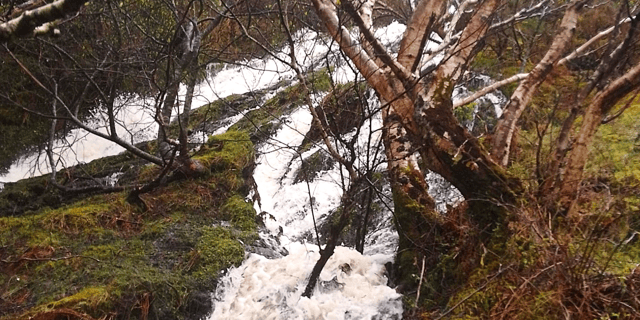

Mass tourism often ends up destroying the very things that created it
The world became more intrusive as it became more interconnected by social media. In cities, people walk about gazing into their phones or listening to music through ear-plugs, as if they fear becoming disconnected or isolated. Increasingly, lives are lived in an electronic crowd and nature fades into the background. Worse, public discourse has become fractious and coarsened. Who came up with the mad idea of a Dublin-New York ‘portal’? And was it any surprise that is attracted abusive behaviour?
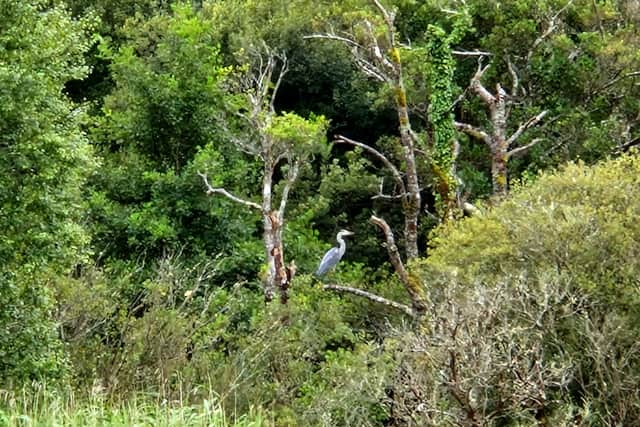
What provided the urge to do this? Macfarlane puts it well: “Anyone who lives in a city will know the feeling of having been there too long. The gorge-vision that streets imprint on us, the sense of blockage, the longing for surfaces other than glass, brick, concrete and tarmac.”
On the other hand, there is a danger in drawing attention to wild places.
Globalised mass tourism often ends up destroying the things that created it. Of course, it brings necessary incomes to places that may lack alternative sources of income, but if left unchecked, even in cities we end up with the inhabitants of Venice, Amsterdam and Barcelona being crowded out of the enjoyment of their own homes. Just as the intrusion of Europeans into the South Pacific in the 18th century was described by Alan Morehead as ‘The Fatal Impact’, so too tourism can have a fatal impact. As a student I wandered freely along the wild Cliffs of Moher. I would not bother going there now!
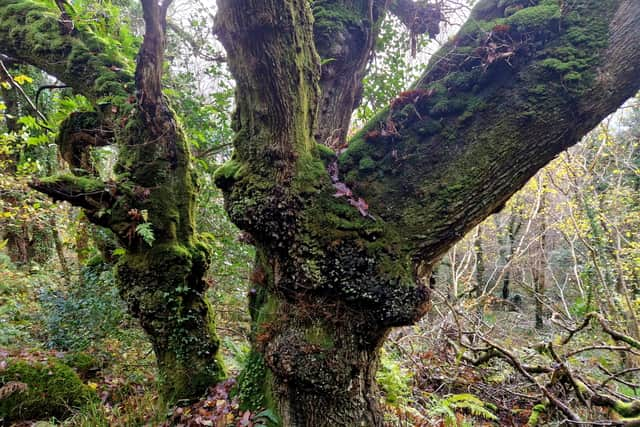
My own favourite wild places? I have written before of a hike down the extraordinary Bangor Trail skirting the west side of the Nephins, one of the few remaining places where you can escape from roads, towns, villages, commercialism and noise. But beware! Its wild side is enticingly threatening, so never do it alone. The interior of the Nephins is a vast, lonely, but gentle wild place, described memorably by Seán Lysaght in his book ‘Wild Nephin’.
Another favourite, Inishturk, is probably Mayo’s most isolated and beautiful wild island. It is easy to understand why the western islands attracted contemplative monks whose rugged monastic settlements are dotted all along the Atlantic coast.
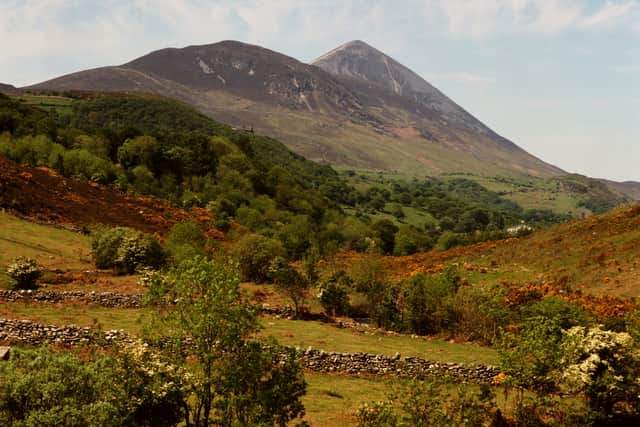
PEACEFUL IDYLL A view of Croagh Patrick from Cloona (Photo: The Liam Lyons Collection)
Dedicated ramblers cherish and protect wild places, and their light-touch passage hardly disturbs the wildlife inhabitants.
Just as people from places that are beset by intrusive mass tourism have come to dread its disruption to their lives, so too do people living on the northern foothills of Croagh Patrick dread the impact of a three-metre-wide tarmac cycle route through this wild and wet place. A cycle track project on the mountain would have a fatal impact and seriously damage the sensitive ecology of the mountain at a time when it is already under threat from climate change.
Gerard Manley Hopkins put it far better than I could:
What would the world be, once bereft
Of wet and of wildness? Let them be left,
O let them be left, wildness and wet;
Long live the weeds and the wilderness yet.
John Bradley is a former ESRI professor and has published on the island economy of Ireland, EU development policy, industrial strategy and economic modelling.