

Mayo Senator calls for roll out of average speed zones


Ballina-based Fine Gael Senator Mark Duffy says US style roll-out of speed cameras should be looked at
A MAYO Senator has urged the Department of Transport to utilise the private sector to operate speed cameras on roads to reduce speed and save lives.
Ballina-based Senator Mark Duffy raised the issue of speed cameras on the country's roads during a debate on road safety in Seanad Éireann.
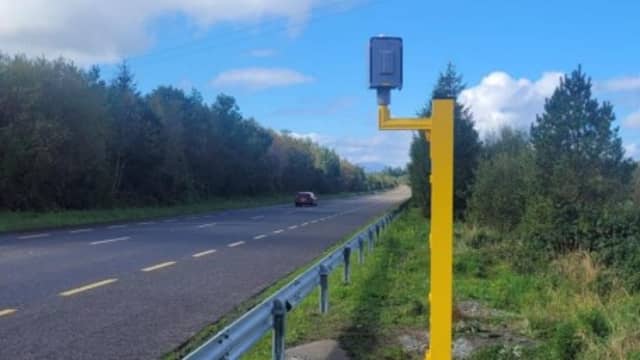
A section of the N5 near Swinford has been fitted with new Average Safety Cameras which monitors the average speed of vehicles over the distance of the Safety Camera Zone, rather than at a single point. The installation of the Average Safety Cameras on the N5 took place last October as part of a pilot project with the intention of rolling them out at other locations across the country.
Senator Duffy told the debate that this system has been welcomed on routes where it has been tried including Swinford and more should be done to be rolled out more widely.
“We should grant more autonomy to local authorities to allow the three average speed zones to be rolled out much more widely," said the Fine Gael Senator.
"The US has a very good model where a private contractor can install these cameras at no cost to either the state or the authority involved, maintain them and collect the receipts from fines incurred from speeding motorists on the stretches of road. This should be looked at.
“It is a good model that would not cost local authorities or the State anything. It would involve a net gain because, ultimately, we would have safer roads and safer outcomes for motorists. I welcome the creation of average speed zones. They should be rolled out across the country without local authorities being required to use their resources for that purpose. This would be very much welcomed,” he commented.
Minister of State at the Department of Transport, Jerry Buttimer commented that the average speed camera technology has proven a great deterrent to excessive speed and Transport Infrastructure Ireland were looking to invest in more cameras.
“In addition to these immediate camera measures, TII is leading the development of a comprehensive national camera strategy for publication later this year, which will establish the framework for investment in the development of our camera enforcement capacity. This strategy will also consider the use of cameras for purposes beyond speeding, such as identifying mobile phone use and non-wearing of seatbelts,” he said.