

Reflections on themes and preoccupations

Living in Mayo has changed my understanding of its attractions and challenges
As I approach my one hundredth fortnightly column for The Mayo News, I have begun to reflect on how writing this column has accompanied a gradual but profound change in my understanding of Mayo and Irish regions.
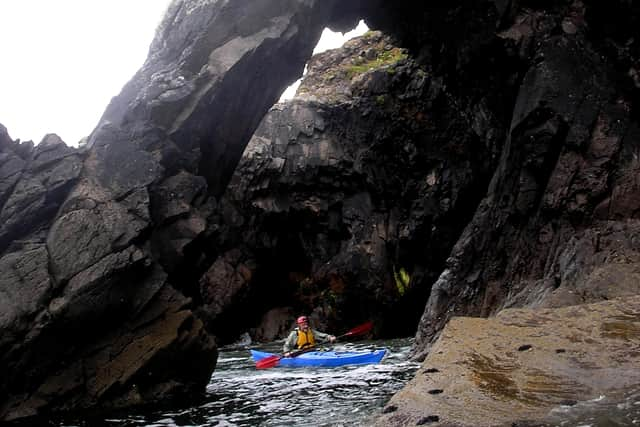
My late father’s cottage was basic and had the dampness and coldness of cottages of that era. But it was located on the slopes of Croagh Patrick with views over Clew Bay, Clare Island and the Nephin mountains. I tried to persuade him to switch his open fire for a more efficient wood-burning stove, but he was traditional in his heating preferences. After his death in 1995, I took over his cottage and renovated it to meet the requirements of a heat-loving city dweller.
Shifting perspectives
A shift to living for longer periods in Mayo changed my understanding of its attractions and challenges. Perhaps the biggest change was to understand that country life is more personal. In Dublin I never bothered to get to know who the local politicians were. Dublin, by its large size and centrality in national life, is self-sustaining and attracts attention simply due to its big population.
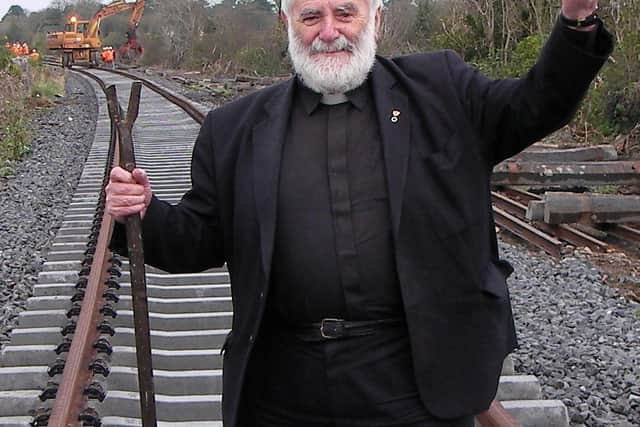
CONNECTING THE WEST The late Fr Micheal Mac Gréil, a staunch supporter of the Western Rail Corridor and the economic benefits it could bring to Mayo and the west. Pic: West on Track
Having spent all my professional life as an economist working on the national economy, on other EU economies and in developing countries, I had a pronounced top-down mentality. But you didn’t have to talk to the late Fr Micheál Mac Gréil for long to have that mentality beaten out of you! Late in life I came to understand that the decline of regions is not only bad for the regions but is also bad for the consequential unbalanced growth of cities that it sets in motion. Big cities have an important role to play in national prosperity, but you impoverish your peripheral regions at your peril.
My foray into journalism came late in life. Edwin McGreal published an innovative series of articles in this newspaper on the challenges of regional development. After many interactions with him (regional newspapers tend to welcome participation, unlike the nationals!), it was suggested that I might write a fortnightly column on themes of economic and social relevance.
It took a while for me to understand that while debates and strong criticism in city environments are just ‘business’, in small regions there is a stronger element of the ‘personal’ and of community views that serve to temper anger. The fact that local politicians are perceived to be fighting the good fight against our Dublin-based masters often mutes criticism. Most politicians, but particularly local ones, seldom retire without fulsome public praise for their dedicated service!
Persistent themes
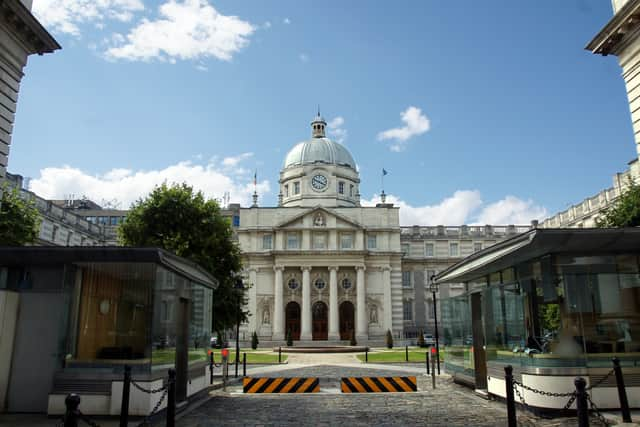
Looking back on almost one hundred columns, some strong themes emerged. Given my economic background, it was not surprising to see that the dreadful state of regional development policy in Ireland came top of the list. The city-based, top-down nature of Project Ireland 2040 has serious negative consequences for the Northern and Western Region that I fear they are not fully appreciated.
A third theme related to a realisation that there should be greater treatment of events and issues outside our somewhat inward looking country. Many of the forces driving our economy are external, and a good way to judge how well we are doing is to compare and contrast with external states and their regions.
However, writing these columns was not always so earnest or didactic. There was much to celebrate about life in Mayo and the life-enhancing opportunities and experiences that it offered. There were mountains to be climbed, islands to be visited, Western Rail Corridors to be restored, nature to be preserved, the culture and dynamism in our towns to be celebrated.
The fact that much political power has been removed from local political institutions makes the job of preserving what is good in the county more difficult in our overly centralised governance system.
I remain shocked that we have accepted a system that is so dramatically out of line with all other EU states. It is disturbing that our local politicians appear to be relatively unconcerned about reform.
John Bradley is a former ESRI professor and has published on the island economy of Ireland, EU development policy, industrial strategy and economic modelling.