

OPINION: In defence of our linear roadside forest
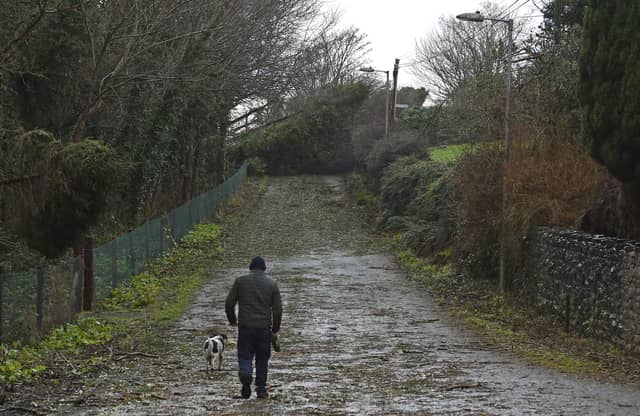

Guest Columnist Michael Kingdon feels that numerous calls to 'chop down trees' after storm damage are wide of the mark
Storm Éowyn gave us a right rattle, there is no doubt, and if what our climate scientists are saying is true we can expect more of the same and worse to come.
While January 2025 was widely expected to reflect the end of the last warming El Niño with below-average temperatures, last month turned out to be the globally warmest January on record. With changes in climate linked to severe weather events, we are moving into unprecedented territory.
Rather than focus on the root causes of increasingly severe weather, some have quickly sought public approval by suggesting radical solutions to their consequences. ‘Chop down the trees!’ is the call.
The fact that fallen trees blocked roads and brought down power lines is no reason to remove those that yet stand.
This country holds close to 99,000 miles of roadways, most of which support a variety of native vegetation types and act as wildlife corridors. Indeed, the national road network is probably our greatest wildlife preserve and taken together would surely constitute the largest native woodland in the country.
Regardless of that, the focus is presently and rightly on the safety and convenience of people. Unquestionably, the presence of dangerous trees in public areas is something that demands immediate attention.
The most populous of roadside trees is the ash, which has suffered greatly from ash dieback. A proper audit of roadside trees would sort out those that need removing. This could be done quickly and efficiently, with appropriate replacement part of the job.
The claim that trees become a hazard by blocking drivers’ view of the road is rootless, and our newly reduced speed limits do away with this argument altogether. In fact, a clear view through sweeping bends and chicanes is more likely to create a false sense of security and increase the number of accidents.
In further defence of our linear roadside forest, trees are known to provide protection to tarmac in summer heat.
Other benefits can be listed. In a single year one mature oak tree can return 40,000 gallons of water to the atmosphere, through a process known as transpiration. Allowing many multiples of this to merely run off causes floods on low lying land which, rather perversely, makes some people want to remove more trees from areas wherein they do far more good than harm.
Trees make an area more beautiful, and for those whose greatest exposure to nature is through their daily commute, travelling beneath a canopy of leaves has been proven to relieve stress. With the current emphasis on physical and mental health, removing trees from the one area most people get to enjoy them is surely counterproductive.
We could go on. We need our trees, not just to purify the air and mitigate flooding, but to add other intangible qualities to help alleviate the pressures of modern day life.
Yes, people suffered loss and inconvenience from Storm Éowyn. Fingers of blame continue to wave, pointing everywhere but at those ultimately responsible for climatic uncertainty.
Chop down the trees? There are other answers.
Michael Kingdon’s Country Sights and Sounds column appears fortnightly in the Living section of The Mayo News.