

COLUMN: The glue that quietly holds communities together

Volunteering is one of the most important, powerful and undervalued social forces we have
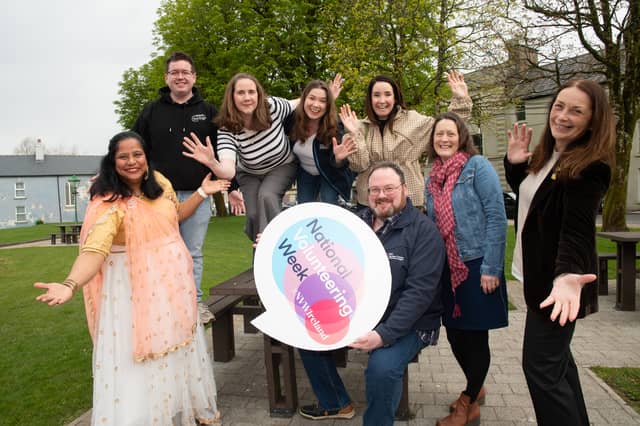
THIS week, to mark National Volunteering Week, Mayo Volunteer Centre launches a series of six short documentary videos celebrating the value of volunteering across our communities, and shining a light on the human impact of giving the greatest gift of all to another: our time.
The series features six projects based in Mayo communities: The Friends of St Joseph’s Hospital in Ballina with Ballina Community Cleanup Group; the Foróige Mentoring Project Mayo Autism Camp with Manulla FC; Mayo Super Knitters, Mayo Community Volunteers at St Coleman’s, Achill and The Global Kitchen with Ballina Fringe Festival.
Each film shares the story of how volunteers work together with volunteer-involving organisations (sometimes themselves volunteer-led) to contribute their time, knowledge and energy to make good things happen.
Volunteering can seem like a simple enough act: giving up a few hours to coach a team, organise a fundraiser, visit an older person, clean a beach or town, or help out at a local event. But in reality, volunteering is one of the most important, powerful and undervalued social forces we have.
There’s no getting away from the fact that the world at the minute feels at times like we’re all off to hell in a handcart. War, division, the cost of living, political bitterness, racism, xenophobia and economic anxiety are all contributing to an atmosphere of discontent, with the malevolent behemoths of ‘social’ media companies fanning the flames of hatred and fear. Speaking for myself, the relentless barrage of bad news and negativity makes me want to hunker down, away from the world and the people in in it. But it is vital to recognise that at a time when the world feels increasingly divided, volunteering remains one of the few things capable of bringing people together, and it matters more than ever.
Volunteering, by its nature is anti-capitalist. It is about giving, not taking. It reminds us that society does not function purely through transactions and that not everything valuable can be bought, sold or measured. Communities survive and flourish because ordinary people decide to care for each other without expecting reward in return. No financial reward could ever deliver such a good feeling as giving your time without condition to make something good happen, or to help someone else.
We all know this. In towns and villages across Mayo, volunteers hold together the fabric of daily life, keeping GAA clubs alive and ticking over, keeping our towns and villages tidy, organising fundraisers, running youth groups, sitting on boards and community councils, responding to medical emergencies, making our festivals and events happen, delivering meals to those who need them. The list goes on, and often, volunteer work happens quietly in the background with no fanfare or recognition, yet without it entire services and organisations would disappear. We know it, but do we appreciate it?
Of course, volunteering is becoming harder. Modern life means people are busier, more financially stretched and often mentally exhausted. Work follows many people home through phones and laptops. Social media drains time and motivation. Younger generations face critical housing pressures and ever more insecure employment, while older volunteers who have carried communities for decades are stepping back with few waiting in line to take on the mantle. While safety and good governance are vital, the associated weight of bureaucracy means many organisations struggle to recruit volunteers because people fear the responsibility, time commitment or criticism that can come with it.
And criticism does come. Volunteers often face unrealistic expectations from the public while balancing jobs, families and personal pressures, and it is far easier to complain or criticise than contribute. Too often, those willing to step forward are met with negativity from those unwilling to help themselves. And yet despite all of that, people continue to volunteer.
Because volunteering gives something back that is difficult to find elsewhere. A sense of belonging and connection, particularly for people new to a community, can be found quickly through volunteering, by introducing people to new neighbours, friendships and shared purpose. That matters enormously in combating racism and xenophobia in particular. Fear often grows where there is little human connection, and volunteering breaks down those barriers by offering that opportunity for people to get to know each other as people, uniting them behind common goals instead of differences. A community event does not succeed because everyone shares the same background or opinion - it succeeds because people put these aside and decide to work together. I have painted walls and wed flowerbeds with people whose views couldn’t contrast more with mine, but we still managed to find some common ground and do some good together.
Volunteering also gives people dignity and meaning. For retired people, it can provide routine and social contact, and communities benefit from their skills and experience. Younger people can gain confidence and skills. Combined? Solid gold. For those struggling with loneliness or isolation, it can offer a reason to leave the house and feel valued. My time, for example, as a member of Ballina Community Clean-up group started in the lonely depths of Covid and sustained me throughout.
The documentaries being launched by Mayo Volunteer Centre are so important because they shine a light on stories that often go unnoticed, and celebrate people who rarely seek attention but whose contributions shape everyday life, in ways both visible and invisible.
Volunteering in the modern world is also deeply hopeful, because it is a rejection of cynicism and individualism, and a reminder that strong communities are not created by governments alone (we’d be a long time waiting). They are built by people who choose participation over apathy. Volunteering will not solve every social problem, but it can – and does – remind us of the kind of society we still want to be, underneath it all. A society where people look out for one another, do not fear difference, and where our worth is measured not by what we have, but what we are willing to give.