

Nearly 2,000 Mayo children unable to access Gaelscoil education, new survey reveals
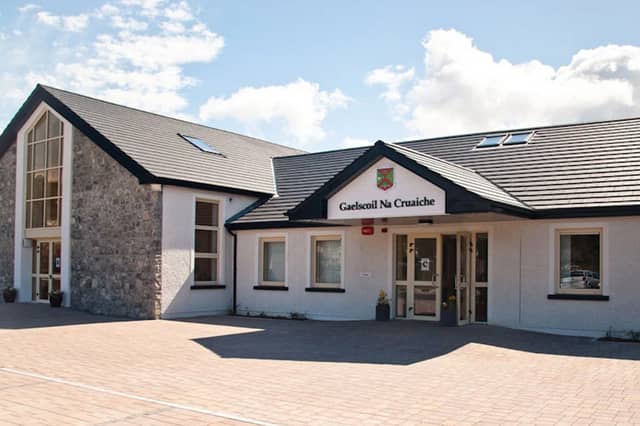

Demand for Irish-medium education outstrips availability across the county grows
Almost 2,000 primary school children in Mayo are currently unable to access a gaelscoil, according to newly published data from the Department of Education and Youth’s Primary School Survey.
The survey found that 14.5 per cent of parents with children attending English-medium primary schools in Mayo would prefer their child’s education to be delivered through Irish. Based on current enrolment figures, this equates to an estimated 1,975 children who do not have access to Irish-medium education in their local area.
Despite this level of demand, only four of Mayo’s 142 primary schools outside the Gaeltacht operate as gaelscoileanna, highlighting what campaigners describe as a significant gap in educational provision across the county.
Nationally, the survey found that 13 per cent of parents would like their child’s school to operate through Irish.
Responding to the findings, An Foras Pátrúnachta said the figures point to a clear need for greater investment in Irish-medium education.
General Secretary Caoimhín Ó hÉaghra argued that actual demand may be considerably higher than the survey suggests.
“Although the results show considerable unmet demand, we believe that actual demand is significantly higher,” he said.
He pointed to the findings of the 2025 Irish Language Attitudes Survey, commissioned by Foras na Gaeilge, which found that 45 per cent of respondents expressed a preference for Irish-medium education.
“The disparity is a result of the much-disputed and restrictive phrasing in the Department’s survey question. Regardless of the disparity, it is clear that we need more gaelscoileanna in order to cater for the children who do not have that option across Mayo,” he added.
An Foras Pátrúnachta is calling on the Department of Education to develop a plan for the provision of Irish-medium education at both primary and secondary level, ensuring that families seeking education through Irish have realistic options available in their communities.
The organisation believes that stronger long-term planning is needed to address growing demand and to support the continued development of the Irish language beyond Gaeltacht areas.
Meanwhile, parents’ advocacy group IMEASC has argued that the lack of dedicated legislation guaranteeing access to Irish-medium education remains a major barrier to expanding provision nationwide.
The group is encouraging parents who wish to see more gaelscoileanna established to engage with policymakers and campaign for greater access to Irish-medium education.
The publication of the survey results is expected to reignite debate around educational choice and Irish-language provision in Mayo, where demand for gaelscoil places continues to exceed the number of schools currently available.