

Mayo TD backs new derelict property tax to tackle Mayo dereliction
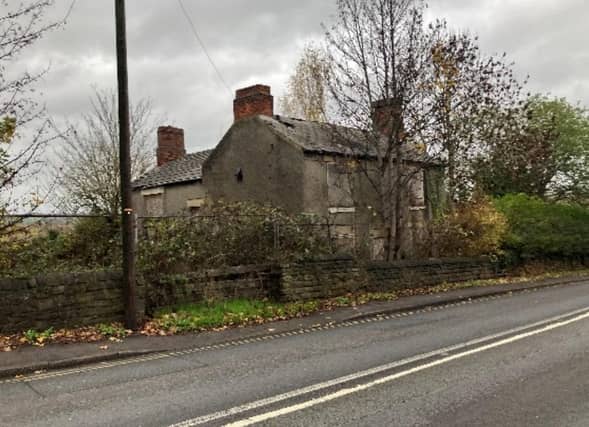

The new Derelict Property Tax is an important step towards bringing neglected buildings back into use and revitalising communities across Mayo, Minister Alan Dillon has said.
The new Derelict Property Tax is an important step towards bringing neglected buildings back into use and revitalising communities across Mayo, Minister Alan Dillon has said.
Minister Dillon said the provisions outlined in the Finance Bill for a tax of 7% of a derelict property’s market value will help bring life back to communities.
“Dereliction is a frustration shared by communities across Mayo. Buildings are left idle and allowed to deteriorate when they could provide homes, premises for local businesses or spaces for community use,” Minister Dillon said.
The new tax will complement existing supports, including the Vacant Property Refurbishment Grant, which provides up to €70,000 to refurbish eligible derelict properties, and its expansion to support vacant accommodation above shops, which provides a grant of up to €140,000.
“We are providing practical financial support to help people restore properties, while placing greater responsibility on owners who allow buildings to remain derelict,” Minister Dillon said.
“People who work hard to maintain their homes and businesses deserve to see the same care taken with neighbouring properties. Dereliction affects the appearance of a street, local confidence and the willingness of others to invest.”
The tax will be introduced on a phased basis. In its first year of operation, it will apply to towns and cities with populations of at least 4,000 in Census 2022, extending to towns with populations of at least 2,000 in its second year.
It will apply at 7% of the property’s self-declared market value, with proportionate surcharges for undervaluation.
“The measure of success will be the buildings restored, the homes made available, and the improvements people can see on their own streets. This is about making towns across Mayo a better place to live, work and do business, and ensuring that neglected buildings become part of our community’s future.” he concluded.