

Mayo rents rise nearly 9 percent as national rental costs surge in early 2026
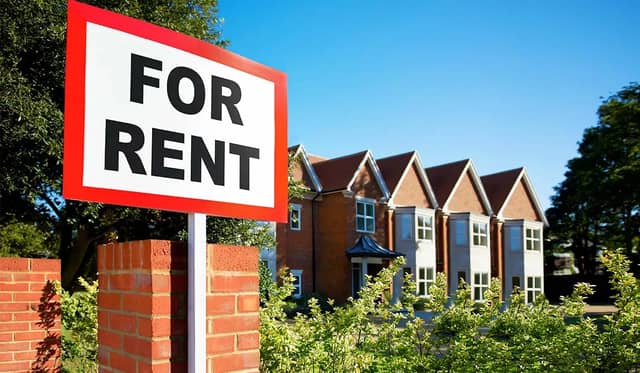

A new Daft report shows average market rent for a three-bedroom house in Mayo has climbed to €1,543 amid record national increases
Rental costs in Mayo have risen sharply over the past year, with new figures showing market rents in the county increased by 8.8 percent in the first quarter of 2026 compared to the same period last year.
According to the latest rental report by Daft.ie, the typical open-market rent for a three-bedroom house in Mayo now stands at €1,543 per month, reflecting continued affordability pressures for tenants across the county.
The Mayo figures come amid record increases nationally, with market rents across Ireland rising by 4.4 percent between December 2025 and March 2026 — the largest quarterly increase recorded since the report series began in 2002.
Nationally, the average market rent for a two-bedroom apartment has now surpassed €2,100 per month, with rents standing more than one-third above pre-pandemic levels and almost 80 percent higher than a decade ago.
Outside the major cities, rental inflation remained high, with annual increases close to 8 percent across Connacht-Ulster, Leinster and Munster. Galway city recorded the steepest rise among urban centres, where rents increased by 18.4 per cent year-on-year.
The report suggests recent changes to rental rules may be influencing market behaviour, with rents rising sharply at the same time as rental listings showed a modest rebound.
Ronan Lyons, Professor in Economics at Trinity College Dublin, said the first data following the introduction of new rent controls pointed to a “step-change” in rents.
“The ability to reset rents between tenancies appears to have led to a step-change in rents, with the largest quarterly increase in rents on record,” he said.
Professor Lyons added that some landlords may have delayed placing homes on the market until new rules came into effect earlier this year, contributing to a short-term rise in listings.
Between July 2025 and January 2026, the number of homes listed for rent nationally was 10 percent lower than the previous year. Since January, however, more than 10,600 homes were listed during February, March and April — up 13 percent year-on-year.
Despite the increase, Professor Lyons cautioned that the rebound may prove temporary and does not necessarily signal a sustained improvement in rental supply.
“Availability remains far below what would be considered normal,” he said, adding that increasing affordability ultimately depends on the construction of additional rental housing, a process that takes years rather than months.
For Mayo renters, the latest figures are likely to deepen concerns around affordability, particularly as rents continue to rise faster than wage growth in many sectors and housing supply remains constrained.