The incident occurred on the N60 Castlebar-Claremorris road in Balla
Search


26 Mar 2026

Please allow ads as they help fund our trusted local news content.
Kindly add us to your ad blocker whitelist.
If you want further access to Ireland's best local journalism, consider contributing and/or subscribing to our free daily Newsletter .
Support our mission and join our community now.
To continue reading this article, you can subscribe for as little as €0.50 per week which will also give you access to all of our premium content and archived articles!
Alternatively, you can pay €0.50 per article, capped at €1 per day.
Thank you for supporting Ireland's best local journalism!

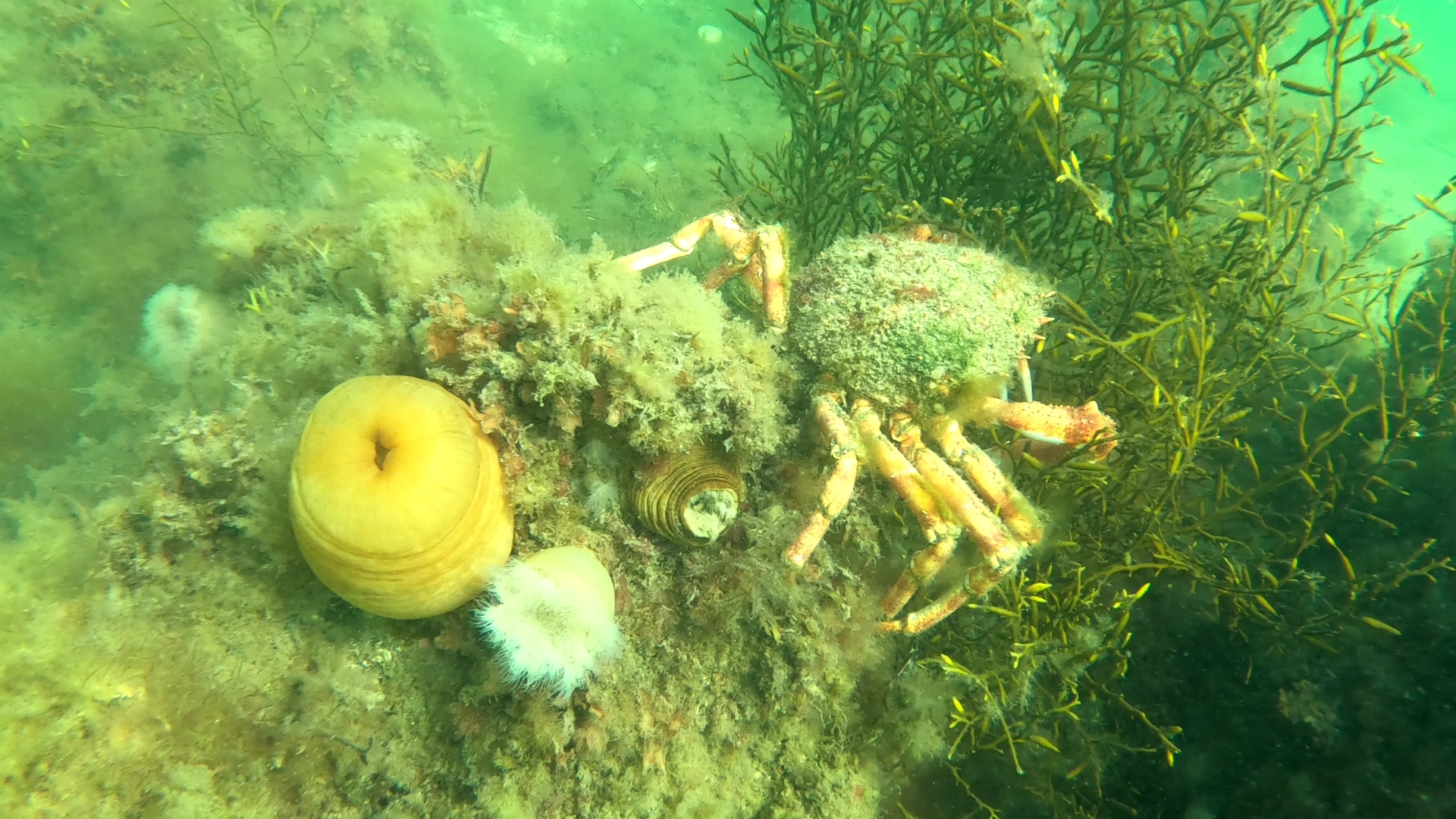
Seagrass - Credit: Sam Moran

Shellfish dredging in some of Ireland’s most sensitive marine habitats is destroying seagrass meadows, according to Coastwatch. These seagrass meadows are vital ecosystems that capture significant amounts of carbon and support rich biodiversity.
Coastwatch Ireland is urging the government to ban bottom dredging in sensitive coastal habitats after documenting torn-up seabeds and abandoned equipment in Elly Bay, off Belmullet in County Mayo.
READ MORE: Mayo nursing home residents experience VR tour of heritage sites
Last Sunday, Sam Moran, Coastwatch regional coordinator and free diver, investigated a site locals had reported as home to vital seagrass meadows. Using a basic underwater camera, Moran captured images of thin but healthy patches of Zostera marina seagrass, interspersed with thriving marine life such as spiny crabs.
However, he also found large areas where the seafloor had been recently disturbed—stripped of vegetation, strewn with broken shells, and, most notably, a lost dredge with a trail of seabed damage leading up to it.
“This area can recover if we just stop dredging,” Moran said. “There is huge potential for the seagrass meadows to expand, supporting more shellfish, fish, and marine life that depend on these habitats.”
Elly Bay falls within a designated Marine Protected Area (MPA) —an internationally protected site. Seagrass meadows are not only biodiversity hotspots but also critical carbon sinks in the fight against climate change.
“This is one of our prime internationally protected sites,” said Karin Dubsky, Director of Coastwatch. “Yet we see boats licensed to dredge here. Licensed damage has to stop.”
Coastwatch is calling on the government to act now with a three-point plan.
First of all, it wants to ban bottom dredging in all protected sites with sensitive habitats, especially seagrass beds, to safeguard their ecological and climate functions.
Secondly, it wants the transition to managed, licensed shellfish diving and gathering, prioritizing traditional fishers with local knowledge and integrating scientific expertise to ensure sustainable practices.
Finally, it is calling for strengthening of monitoring and enforcement, and the launch a public awareness campaign to support restoration and eco-tourism, while increasing the market value of sustainably harvested shellfish.


Subscribe or register today to discover more from DonegalLive.ie
Buy the e-paper of the Donegal Democrat, Donegal People's Press, Donegal Post and Inish Times here for instant access to Donegal's premier news titles.
Keep up with the latest news from Donegal with our daily newsletter featuring the most important stories of the day delivered to your inbox every evening at 5pm.

This publication supports the work of the Press Council of Ireland and Office of the Press Ombudsman, and our staff operate within the Code of Practice of the Press Council. You can obtain a copy of the Code, or contact the Council, at www.presscouncil.ie, Lo-call 1800 208 080 or email: info@presscouncil.ie.