

VET'S VIEW: Devastating day trips – The algae that could kill your dog
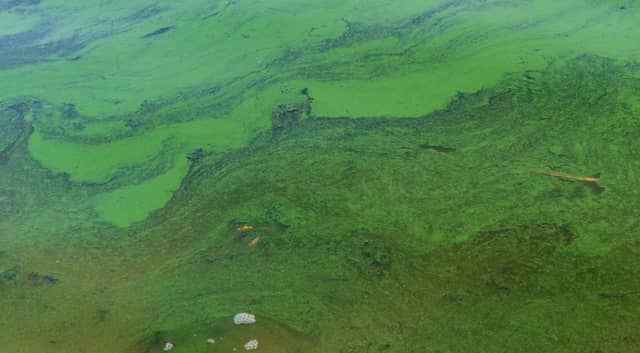

Many of Mayo’s lakes and slow-moving waterways can be toxic for our dogs
Sadly as I write this, I look back on the past two weeks at Skeldale and have to report that we have been presented with what were otherwise three perfectly healthy vibrant dogs, two of whom succumbed to the toxic effects of blue-green algae poisoning. Thankfully we were able to restore one to full health (it must have consumed but a very small amount of toxin) after much intensive care and in-house treatment.
This sad situation for two owners and their families could have possibly been avoided if their pets had not been let near or into stagnant waters during the warmer months of June, July and August.
The perennial problem of blue-green algae poisoning is unfortunately a problem we see here in Mayo, year in year out with pets, notably dogs who are allowed enter waters that are slow moving or stagnant, typically in ponds, turloughs, lake in-lets and stagnant drains and rivers.
The proliferation of these algae blooms are an unfortunate byproduct of over-rich nutrient- laden waterways, producing toxins that can and do – as we have already sadly seen this year – kill animals who unwittingly ingest them. The poor unfortunate animal doesn’t even have to drink the toxic water directly, but only enter the water and have its coat covered in water, which when the animal commonly later licks off its coat. This ends up killing them due to indirect poisoning.
Notable reservoirs of potentially dangerous waterways are the county’s lakes, especially inlets that are shallow and slow-moving or stagnant. And these are typically the very places where many people like to bring their pets for walks and exercise during the summer months, both for exercise and cooling off.
Please look out for signs that may be erected in popular areas such as these, warning of the dangers of blue-green algae blooms and do not take any chances, as sometimes the actual algae blooms are not easily visible but the toxins may still be present in the water. We often hear this from owners who tell us that the water appeared clean and safe when in actual fact it still ended up poisoning the poor pet. If in doubt, do not take a chance.
There is unfortunately quite an element of good fortune involved in a case of recovery from this type of poisoning, and it is devastating for an owner to see there healthy vibrant pet, become very ill, very quickly form such a toxin.
Clinical signs of poisoning include, but are not exclusive to, vomiting, diarrhoea, seizures and fitting, weakness, collapse and unconsciousness, disorientation or confusion, drooling and breathing difficulties. Any of these signs shortly after a visit to a typical waterway warrants very urgent veterinary intervention.
For people who regularly bring their pet swimming, it is important that they are familiar with what an algae bloom looks like and the overall look of such stagnant environments. Indeed, these toxins can also cause illness in humans and so are not to be taken lightly.
The perennial message this time of year when it comes to our pets and waterways is: if in any doubt, stay clear. Its just not worth the risk.
Veterinarian Conal Finnerty MRCVS practises at the Skeldale Vet Clinics in Ballinrobe and Belmullet. Follow the clinic on Facebook, or call 094 9541980 or 087 9185350 to make an appointment.