

GREEN LIVING: Going wild in our Mayo garden

‘We are reaping the benefits of nature taking over’
HAVE you noticed the days stretching past 5pm, and the birds chirping more? It seems amazing every year that spring slowly but surely unfolds into splendour after the long, dark winter.
With the spring energy, I’m making a list of projects that is much longer than I’ll ever be able to accomplish. The nice thing about the limits of time and willingness to work hard endlessly means that some things are left alone, and most often that works out better in the end.
We bought a house with just over an acre of land about six years ago, and the former owners would not recognise the grounds any longer. We often wonder how much time they spent mowing, strimming and tidying, given that since we’ve lived there much of the land has been more like a bog or marsh than the football-pitch type of lawn they maintained.
Initially we planted around 300 baby trees (they were basically sticks when they went in) of native varieties—alder, blackthorn, beech, birch, crab apple, elder, hawthorn, hazel, holly, rowan and willow. They were to help with the soakage, and for windbreaks and habitats for insects and birds (and some future climbing frames for kids). That was a decent investment and a big job, but since then we have simply watched them grow.
Combined with very reduced mowing and strimming, we are reaping the benefits of nature taking over. This winter we have marked over 50 seedling trees that have established themselves, some of which we will leave in situ and others of which we will relocate to specific areas.
And then there are many others cropping up that we won’t notice for a couple of years, as they are growing under the cover of furze bushes that we have left along all the hedgerows for the birds to shelter in, and at the back we now have a proper holly forest of at least 100 trees that we see once they peek over the top of the gorse foliage.
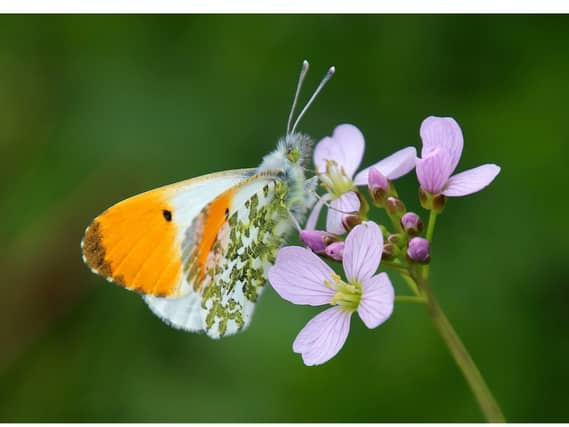
Plus, every year we wait to see which new species of wildflowers and ‘weeds’ crop up on their own to bring colour and character to the property. We have an abundance of wild irises, cuckoo flowers, buttercups, water mint, clover, heather and more that flourish in the wet conditions, as well as the edible traditional plants that can be eaten or used externally for various purposes, like nettle, cleavers, ribwort plantain, dandelion and bramble. These are also important foods for pollinators for most of the year.
My best advice is therefore to pause before preparing to mow or even taking out the garden shears. Plants are establishing themselves now from last year’s seeds, so if there is any patch of your garden that you can leave untouched for a year or more, please do, to see what grows without human intervention. We all need to get more comfortable with much more wild space so that we can maintain biodiversity for the future.
McKinley Neal is the owner of PAX Whole Foods & Eco Goods, a minimal-waste shop in Westport offering bulk organic foods, reusable goods, household products, eco-friendly personal-care items and gifts.