

GREEN LIVING: Making the most of our seasonal feast
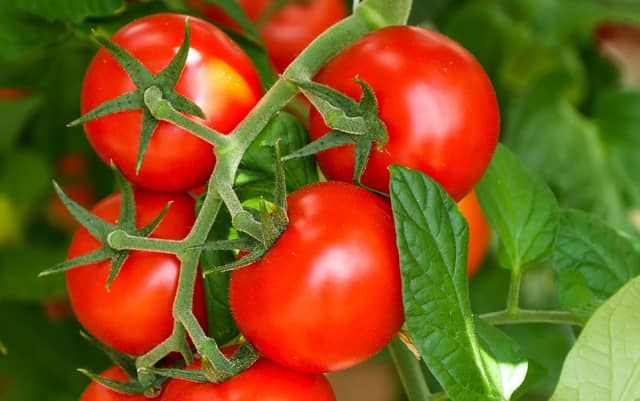

We can support local farmers by buying their seasonal harvest produce and preserving it for use year round
One of my fondest memories of summer growing up was indulging in tomatoes for breakfast, lunch and dinner in the summer, and at times having sore spots on my tongue from the excess acid. We had family members who would drop in boxes of misshapen but delicious heritage beefsteak tomatoes, green beans and okra, endless ears of sweet corn and heaps of squash.
The abundance arrives a bit later in Ireland, but now we are in peak season for much of Irish produce, and luckily the bounty continues well into the autumn months. We all objectively know that nothing surpasses the taste of vegetables and fruits at their peak, harvested and eaten very close to where they are grown - that’s food as is should be, with the flavour and nutrition of the place giving us an unparalleled sensory experience.
There are some issues with the summer glut, though. With veg specifically, it takes months of preparation and work to get a crop to harvest, and then large amounts of the foods are ready to be used immediately before they overripen. Beyond the potential food waste, selling the immense quantity of food that they cultivate when it’s at its best is what farmers depend on to keep their operations viable, and many notice a drop in sales during peak season as people go on holidays or choose to eat out instead of cooking.
As consumers, there’s an opportunity for us to prioritise supporting local food that tastes incredible, and to save some money by tapping into some of the traditional techniques for preserving foods. Many farms offer bulk crates of vegetables, allowing us to make our own sauces, pastes and purees, much like families did before out-of-season vegetables and fruits were imported year round by supermarkets or tins were ubiquitous.
Last year we roasted over 40 kilos of tomatoes on trays with several cloves of garlic, until fragrant, soft and sticky, and then blitzed them in a food processor, stored them in jars (leave about an inch of space for expansion) and froze them for soups and other meals. Apples are on their way, perfect for tarts and also to boil down with ground cinnamon for apple sauce; it freezes or cans well and can be used in place of oil in baked goods like muffins and cakes, or stirred into porridge. Soft berries from gardens, farms or the hedgerows can be made into jams of course, or first frozen in layers and then stored in tubs or reusable bags in the freezer for use in smoothies, baked goods and more.
For firmer vegetables like cabbage, carrots, beetroot, turnips and more, fermenting is ideal, and is great for the gut microbiome. Simply chop or grate the veg alone or in combinations, sprinkle on salt, ‘massage’ the veg until a brine starts to pool and then pack it all into a clean jar and leave to ferment for at least 5 days before tasting, and store in the fridge once pleasantly tangy.
McKinley Neal is the owner of PAX Whole Foods & Eco Goods, a minimal-waste shop in Westport offering bulk organic foods, reusable goods, household products, eco-friendly personal-care items and gifts.