

Direct Westport to Galway train 'under discussion' in Western Rail Corridor

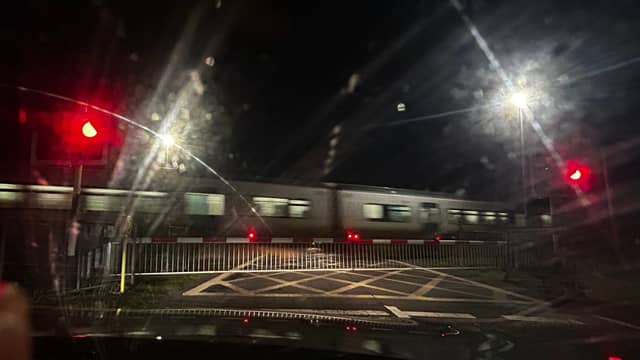

Game-changing railway project promises to reconnect Mayo town to national transport network by 2030
Westport is poised for a transformational boost with the confirmation that the Western Rail Corridor project will proceed, marking what local campaigners are calling a "game changer" for the town and the wider region, The Westport Tourism Organisation AGM was told.
Minister Seán Canney recently announced that the long-awaited project will go ahead, with further details expected from the Department of Transport before the end of the month.
Colmán Ó Raghallaigh, a prominent campaigner for the railway's restoration, outlined the ambitious timeline for the project. "We expect that the project will begin with enabling works, because the whole line will need to be cleared, bushes and all that cut back, and trees removed, and all of that," he explained.
The scale of preparatory work is substantial. The entire 34-mile route will require comprehensive fencing—totalling 68 miles—and a bridge at Ballyglunin, which was removed during road development, must be rebuilt. These enabling works alone are expected to take approximately 18 months before major reconstruction funding comes on stream.
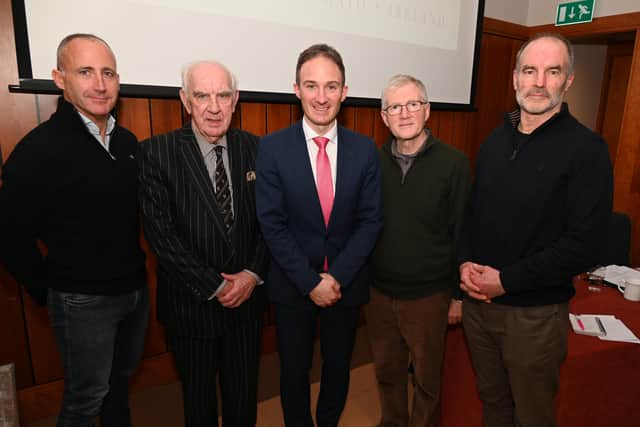
Discussions underway about direct services between Westport and Galway when the line opens. At minimum, connections will be available at Claremorris for passengers traveling on the Westport-Dublin train to change for Galway.
The economic potential is significant. Dr John Bradley, one of the key figures in the campaign, estimated that between 60,000 to 70,000 visitors currently going to Galway could be accommodated in Westport if brought by rail.

Speaking at Friday's meeting, Rose Conway Walsh TD drew parallels between the railway campaign and other landmark western developments. "Monsignor Horan will always be synonymous with Knock. Micheál Mac Gréil and Dr John Bradley, and indeed, Coleman himself, will always be synonymous with the Western rail corridor," she said.
Mr Ó Raghallaigh paid tribute to both Micheál Mac Gréil and Dr Bradley, who were "intimately involved with the campaign" and "have done and contributed an enormous amount to the progress that has been made in bringing this to reality."
Echoing words from Father Mac Gréil, Mr Ó Raghallaigh highlighted the deeper significance of the project: "As Father Mac Gréil always said, the railway goes into the heart of every town, and when we get that railway back, we will be putting towns back on the national primary transport infrastructure that has been deprived of that designation for years, both in road and rail."
The restoration of the Western Rail Corridor represents not just improved connectivity, but the return of towns along the route to Ireland's primary transport network after years of isolation.