

Mayo planners claim home close to Lough Mask will be an 'obtrusive feature'

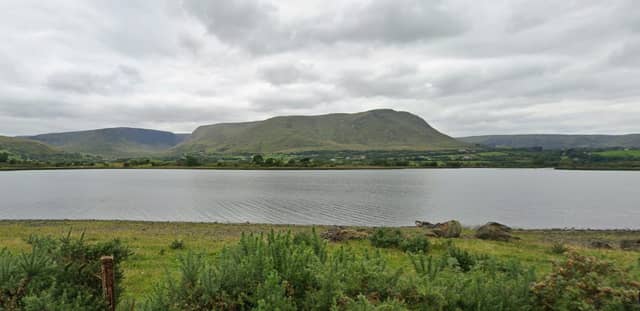

Mayo County Council refused planning permission for Tourmakeady woman to build on grandparent's land in Finny
A MAYO woman who wished to build a house on her grandparent's land across from Lough Mask was refused planning permission as the development would be an 'obtrusive feature in the landscape'.
Mayo County Council refused planning permission to Kate Joyce to build a new dwelling house on the site of an existing ruin across from Lough Mask at Glenbeg West, Finny, Clonbur.
Mayo County Council had expressed concern regarding the site and asked Ms Joyce who is from Tourmakeady to show she has links to the area. She provided documents to show the site comprises part of her grandparents’ farm who have long established links to the area and that there are no alternative sites available within the family’s ownership.
The planning application also stated that Ms Joyce is active in farming the lands and involved in her local GAA club.
However, despite accepting that Ms Joyce has a social link to the rural area, Mayo County Council planners stated they 'remain unconvinced that the site as selected is the optimum location for a proposed dwelling house based on concerns with regard to visual impact and siting'.
As a result of these concerns, Mayo County Council found that granting planning permission would contravene the Rural Housing Objective of the Mayo County Development Plan 2022-2028 regarding housing applications, within Mayo’s coastal areas and lakeshores and within areas along scenic routes with designated scenic views.
“The proposed development would result in an obtrusive feature in the landscape and therefore would interfere with the character of the landscape which it is necessary to preserve and if permitted would be contrary to the proper planning and sustainable development of the area,” the planning report stated.
In the application submitted by David Lally of Lally Chartered Engineers on behalf of Ms Joyce, it was stated that the development is located on the footprint of an existing ruin, with remaining wall structures still evident on site.
“The design approach is highly sympathetic to the existing environment, with the dwelling taking its form, scale, and orientation from the original structure. The proposed dwelling is a single-storey, narrow-plan cottage-style design, finished in natural stone cladding, ensuring it integrates seamlessly into the surrounding landscape and does not adversely impact on the scenic character of this sensitive lakeside area,” Mr Lally stated.
While Mayo County Council did not have any issues with the design of the proposed house, they stated they had serious concerns regarding the proposed development at this scenic lakeside location.
Mr Lally argued in his response to Mayo County Council that the development will maintain and respect the existing landscape character and ecological setting.
He also outlined that the 1901 Census of Ireland, indicated that the Glenbeg area was once a well-established rural community, with approximately 110 residents recorded at that time. Since then the area experienced significant population decline, with only one family home occupied by the applicant’s uncle, and one other dwelling, occupied by a single individual, remaining today.
He said that the proposed dwelling will serve as Ms Joyce's permanent residence and it will contribute positively to the area.
“The proposed development will contribute positively to the regeneration and long-term sustainability of this rural area by increasing population levels and supporting the continuation of traditional farming practices on family lands,” he stated.